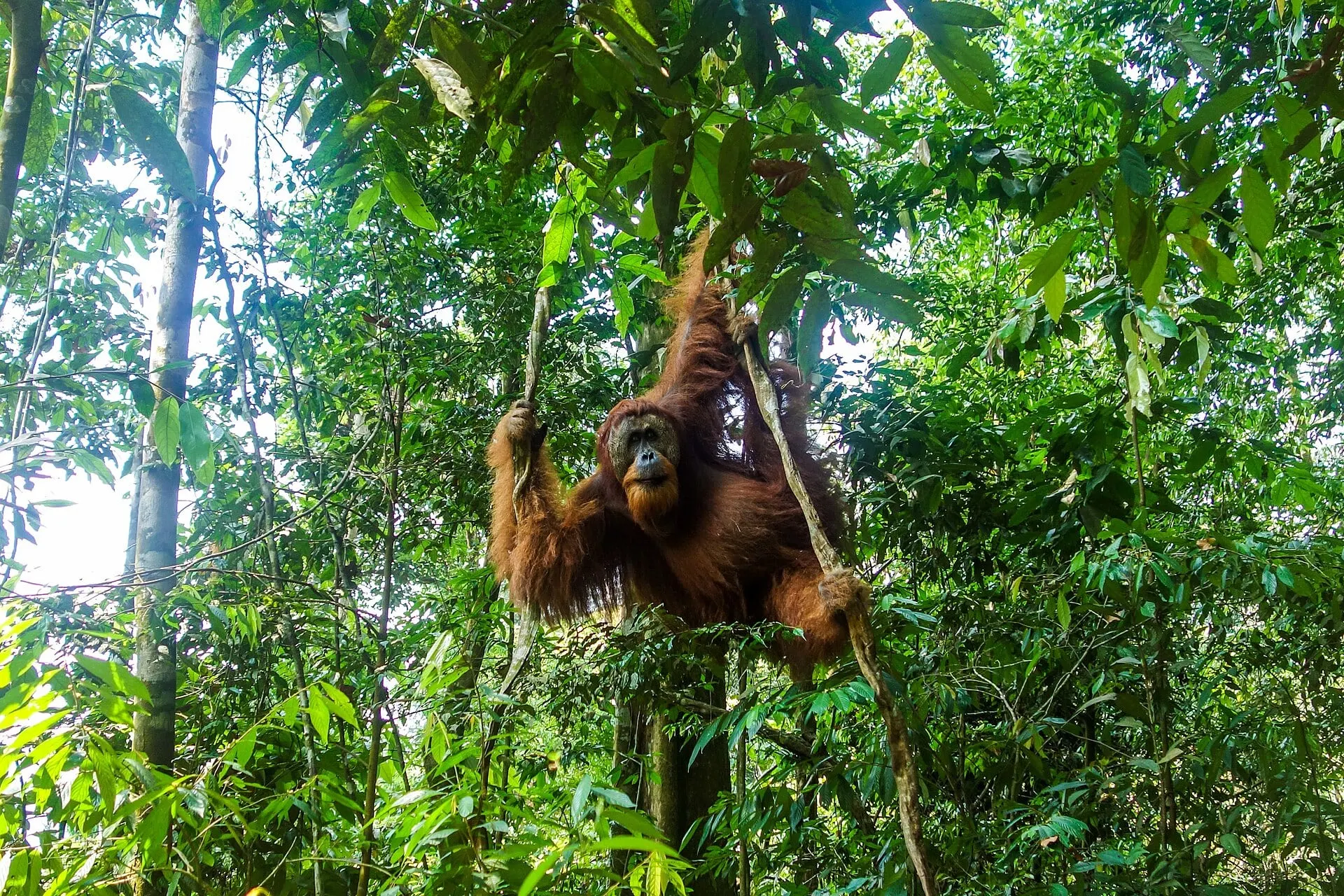
Bukit Lawang jungle trekking means walking into Gunung Leuser National Park with a registered local guide to look for Sumatran orangutans and other wildlife. A guide is mandatory, the park charges a daily ticket plus a hiking levy, and sightings are likely but never guaranteed. Here is how treks work and which rules apply.
This article is part of our Bukit Lawang travel guide, which covers the village, tickets and other activities.
Quick facts
- Guide and registration: required to enter the park; going in without a guide is treated as illegal (detikSumut, Feb 2023).
- Park fees (PP 36/2024, from 30 October 2024): from IDR 150,000 per day for foreign visitors; from IDR 10,000 (Mon–Sat) or IDR 15,000 (Sundays and holidays) for Indonesians; hiking from IDR 20,000 per person per activity; camping from IDR 5,000 per person per day (Kompas, 25 Oct 2024).
- Distance from orangutans: at least 7 m, with 10 m strongly advised (IUCN SSC Section on Great Apes).
- Feeding: banned; BBTNGL signs at the entrance prohibit giving or bringing food into the area (Mongabay Indonesia, Oct 2015).
- Trek lengths: from about two hours (detikSumut, Feb 2023) to overnight treks with camping, which the park charges a separate levy for.
What is a jungle trek in Bukit Lawang like?
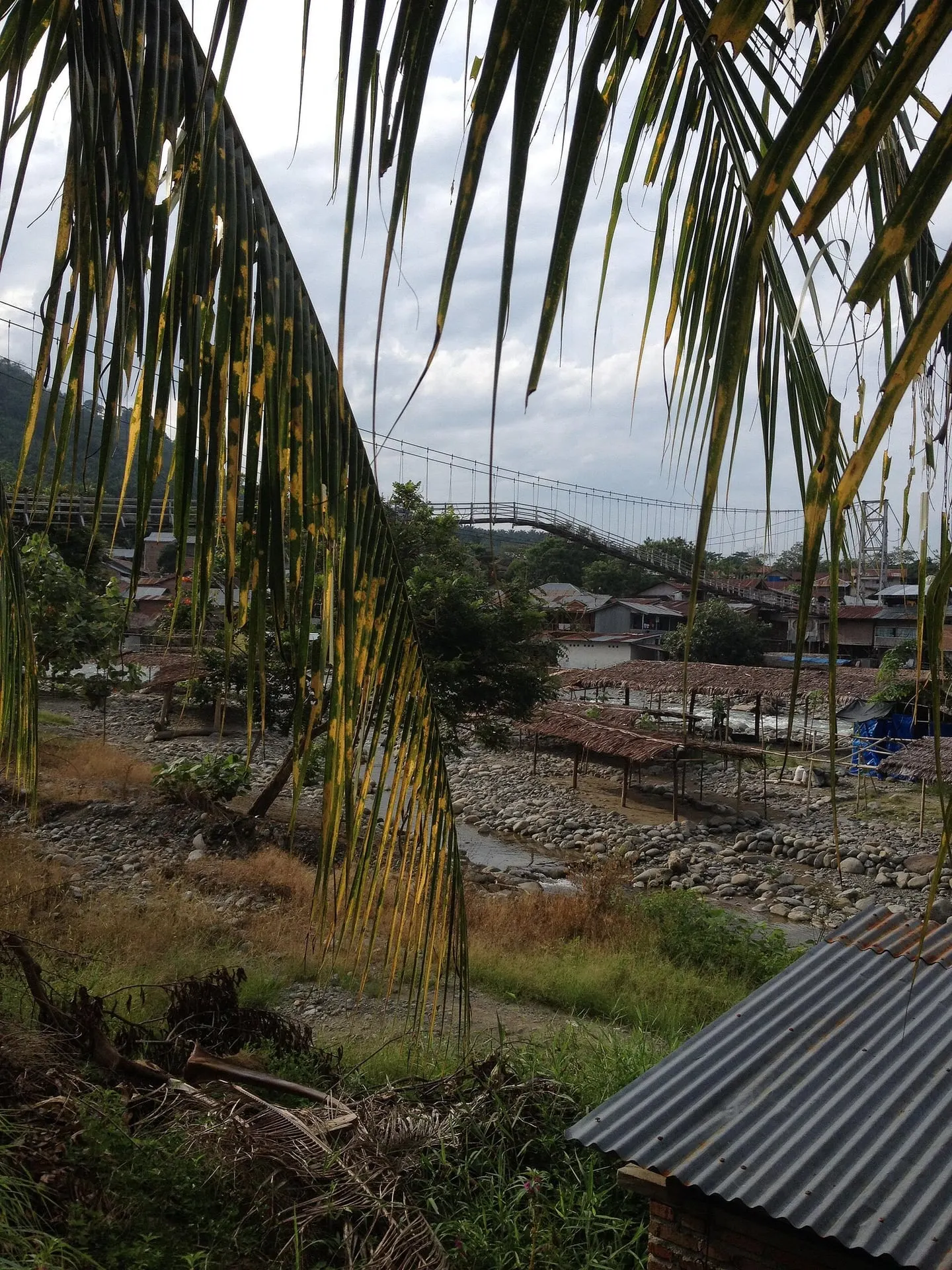
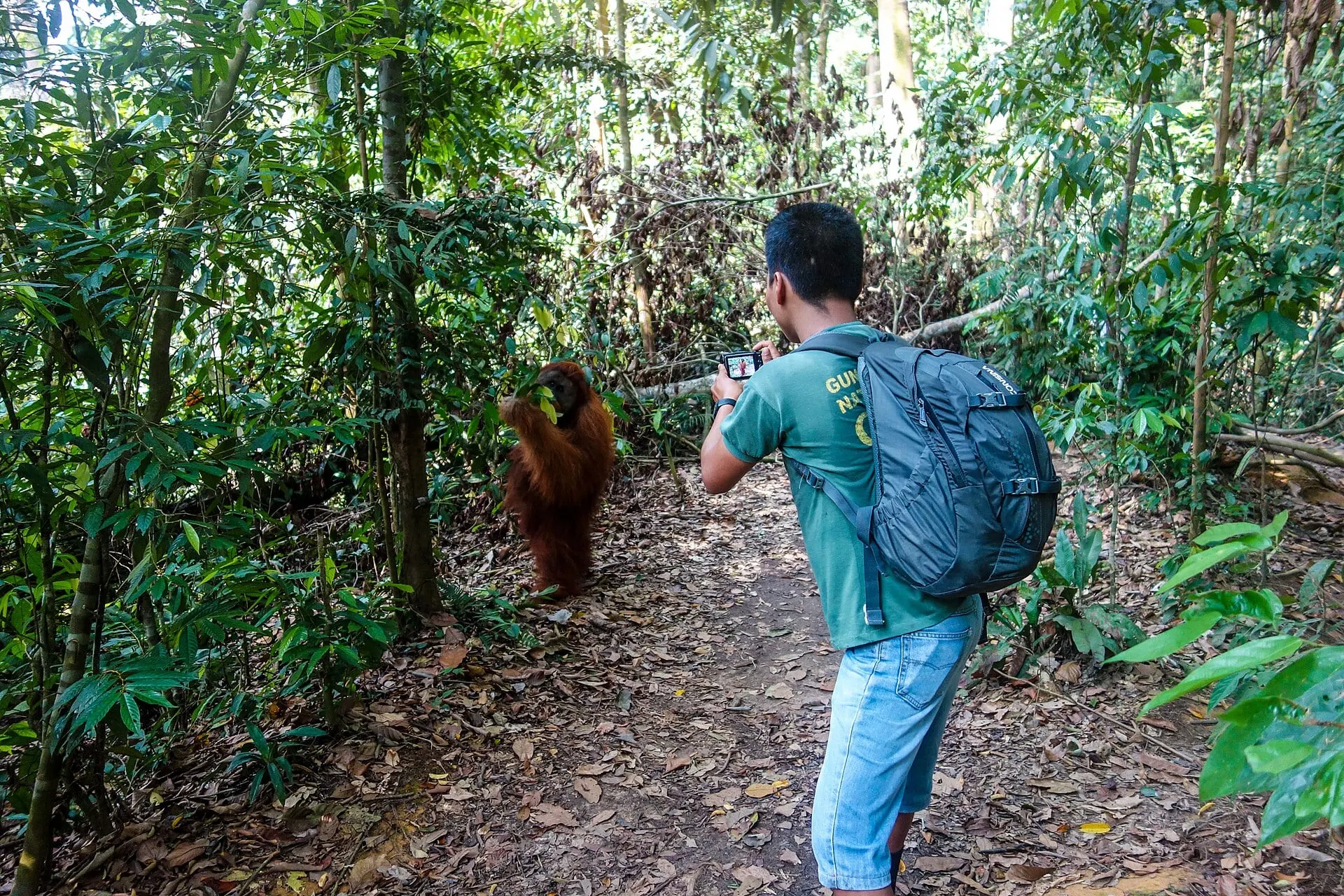
Treks start on foot from the village. A Kompas reporter who joined a trek in September 2022 described a 200–300 m climb at the start, first on steps and then on slippery rocks, then about an hour's walk through farmland to the park boundary. The group saw an orangutan in a tree in village gardens before reaching the park, and Thomas's leaf monkeys inside it; the guide recommended shoes rather than sandals.
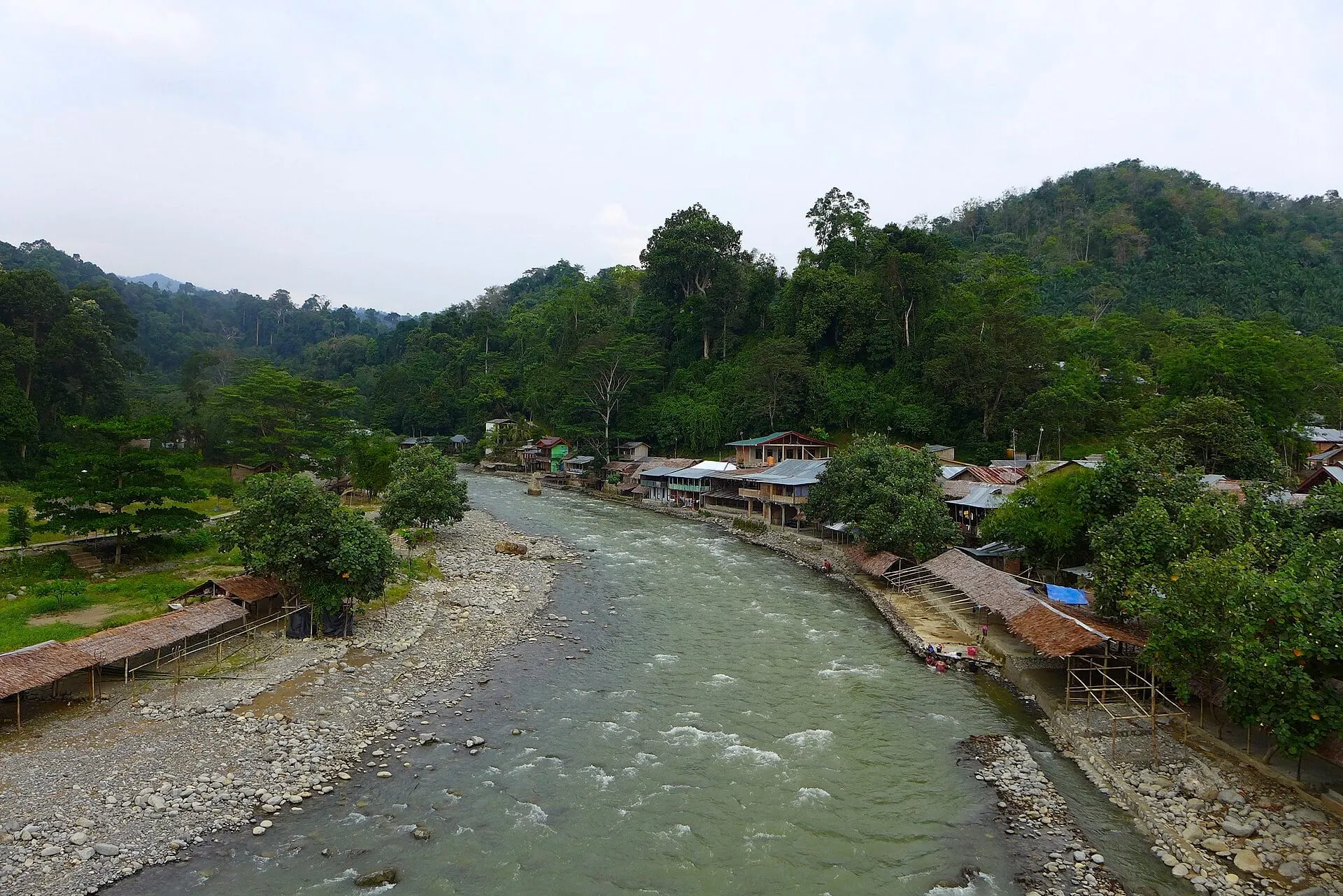
A detikSumut reporter in February 2023 walked about two hours through the forest with a ranger-guide from the Indonesian Tourist Guide Association (HPI) and returned to the village down the Bohorok River on lashed-together inner tubes.
Keep expectations realistic. The Kompas guide put it plainly: truly wild orangutans are hard to find and the chance is "not very high". Semi-wild orangutans, many of them former rehabilitants or their offspring, are seen more often.
How long should your trek be?
Our advice: choose by fitness and time, not by the promise of more orangutans:
- About two hours: first time in a rainforest, families with older children, or an afternoon after arriving the day before.
- Full day: deeper forest, usually with a river or waterfall stop; many routes end with tubing back to the village.
- Overnight with camping: for fit trekkers who want the forest at dusk and dawn; plan a rest day afterwards.
A longer trek does not guarantee more sightings. Most treks start in the morning, so do not plan one on the day you travel from Medan; our guide to getting from Medan to Bukit Lawang helps you time your arrival.
Permits, fees and what a package includes
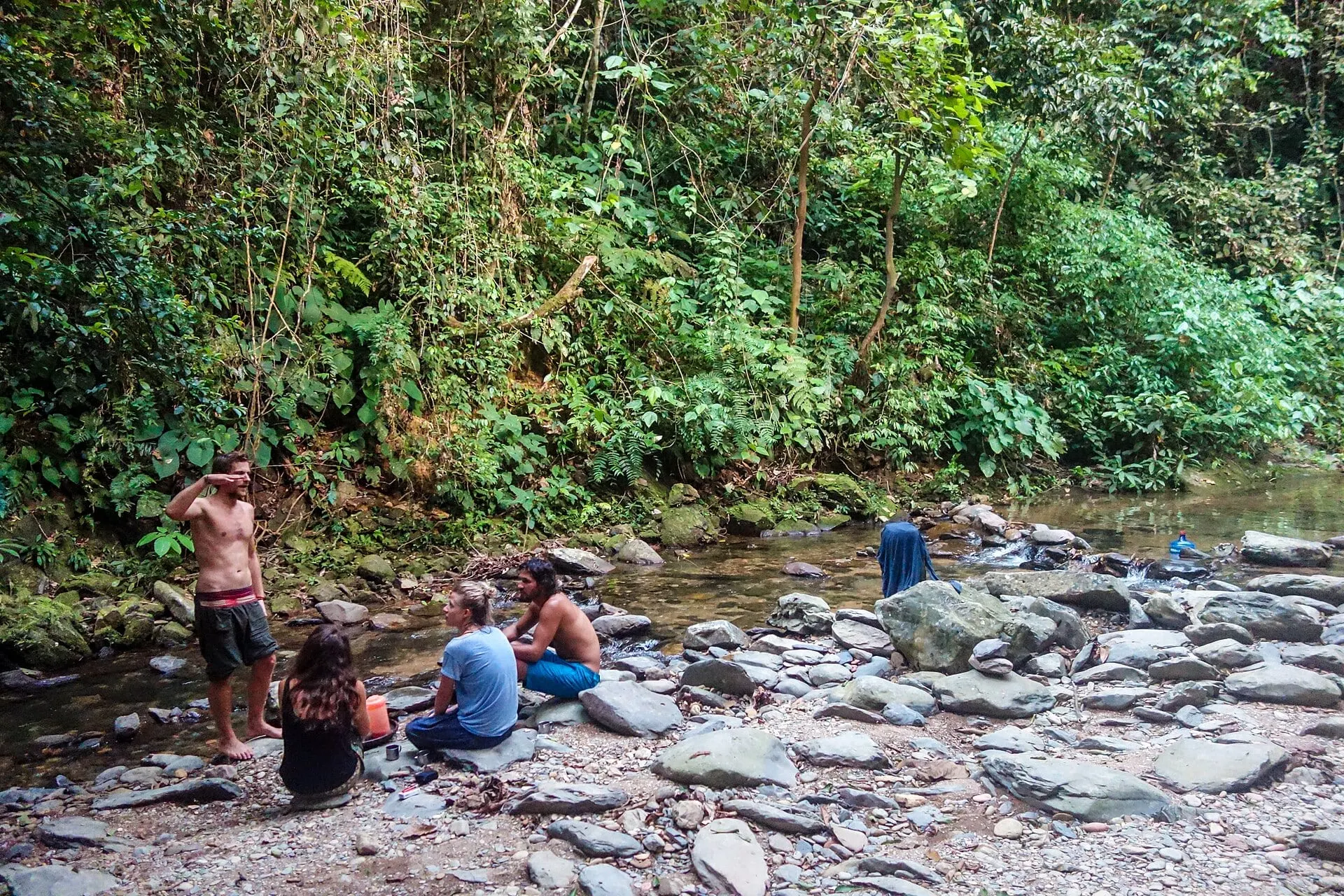
Registration and a guide are compulsory, so in practice your guide handles the park permit. The park ticket and levies above are set by the national park authority under PP 36/2024, as reported by Kompas in October 2024; fees can change, so check again before you go. Guide fees are not set by the park and vary with trek length and group size. Before paying, ask for a clear list: park ticket and levies, meals, drinking water, camping gear, tubing back to the village. Bring a copy of your passport or ID for registration.
How do you choose a responsible guide?
Ask each guide you talk to:
- Do you feed or call orangutans? The only acceptable answer is no.
- How many people will be in the group? Smaller groups disturb animals less.
- Will you lead the trek yourself?
- What happens if it rains heavily? A good guide changes the route or postpones rather than risking a swollen river.
Rules for watching orangutans
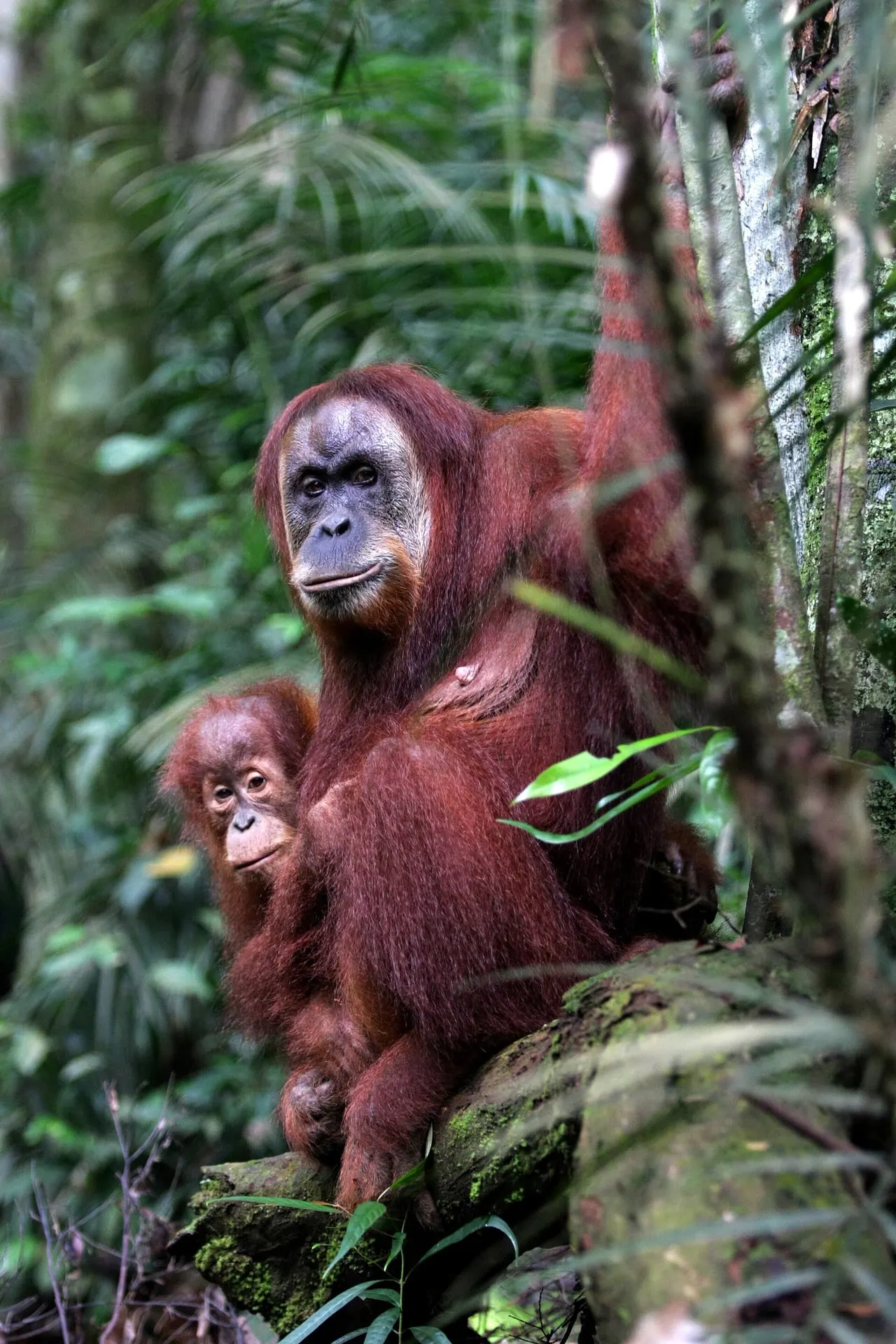
The Sumatran orangutan is critically endangered, and Bukit Lawang has a history of people feeding them. Mongabay Indonesia reported that a tourist was bitten in August 2015 while feeding an orangutan at close range, and that BBTNGL had stopped budgeting for supplementary feeding that year because the orangutans find enough food themselves (Mongabay Indonesia, Oct 2015). The head of BBTNGL has since urged visitors to keep their distance and not to feed orangutans (VOA Indonesia, Apr 2023).
- Never feed any animal, and keep snacks packed away.
- Stay 10 m away and move back if an orangutan approaches. IUCN guidance sets 7 m as the minimum and strongly advises 10 m.
- Do not trek when you are ill. IUCN guidance says anyone clinically ill, or in contact with someone ill in the past 14 days, should not visit great apes, because human diseases can pass to them.
- Be quiet and never touch, lure or chase. Never stand between a mother and her infant.
- Take all rubbish back to the village.
If a guide breaks these rules for a better photo, say no.
What else might you see?
Thomas's leaf monkey, a primate found only in Sumatra, is common along the trails; according to the guide quoted by Kompas, leaves make up at least 75 per cent of its diet. Macaques, hornbills and monitor lizards are also seen. Larger animals of the wider park, such as tigers, are very rarely encountered near Bukit Lawang.
What to bring
- Shoes with good grip, and leech socks in the wetter months.
- Long sleeves and trousers that dry quickly, plus a light rain jacket.
- A dry bag for your phone and documents, and plenty of drinking water.
- Insect repellent, a small first-aid kit and any personal medication.
- A headlamp and dry clothes for overnight treks.
Trekking in the rain
Rain makes trails slippery, brings out leeches and can raise the river quickly. Keep a spare day and follow your guide's call on the route. To pick your dates, see Bukit Lawang weather and the best time to visit; if your trek ends on the water, read river tubing on the Bohorok first.
Where to stay before and after your trek
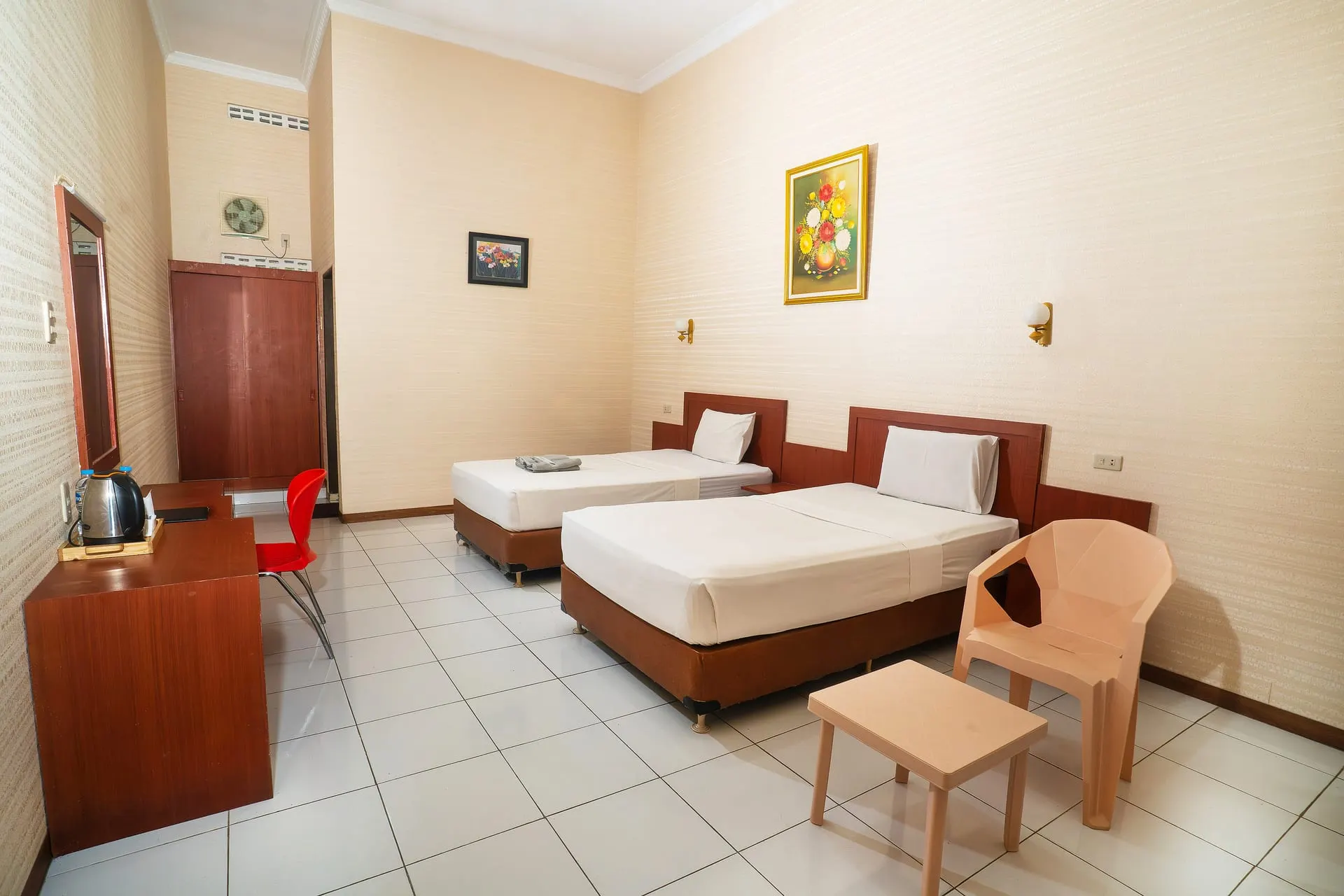
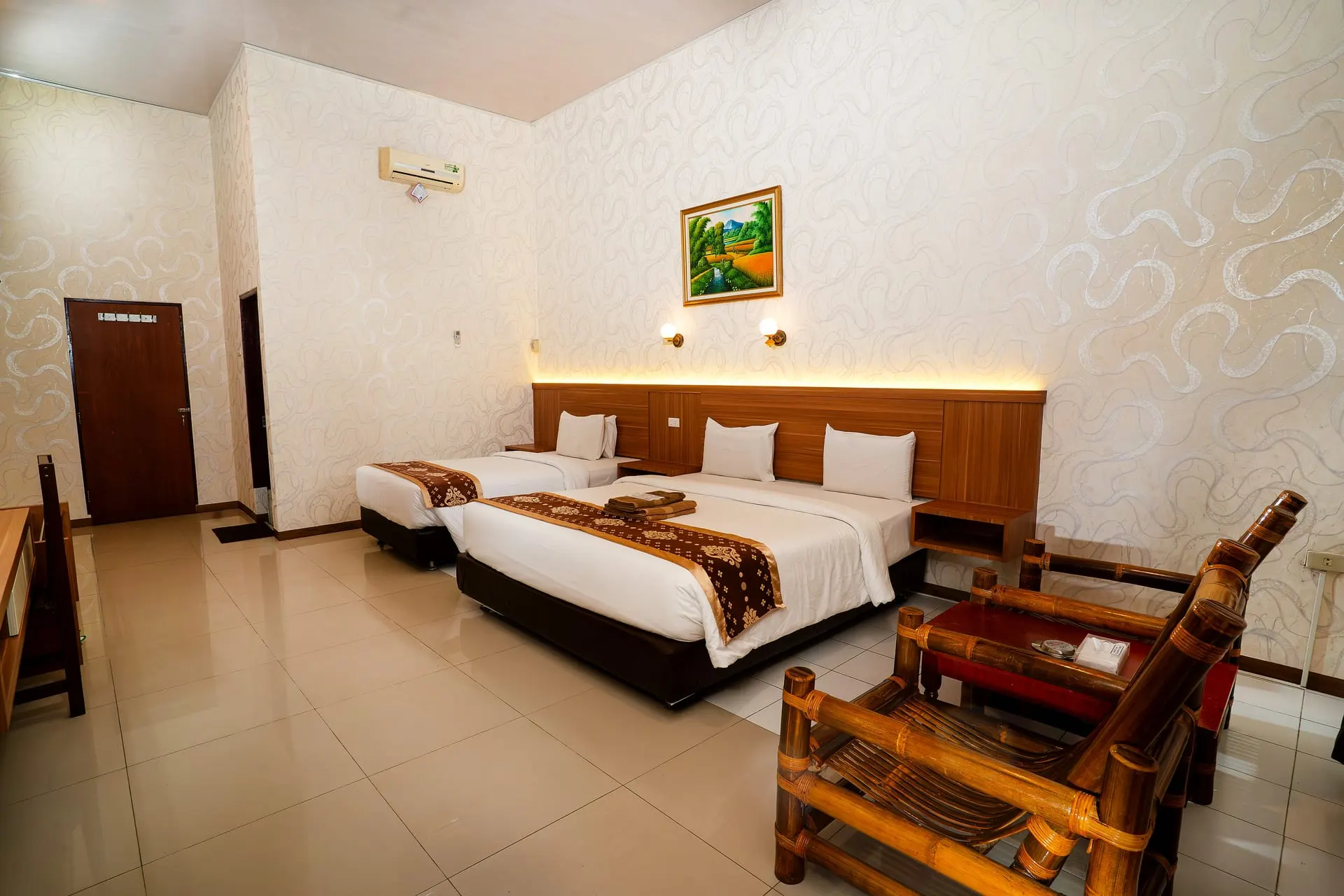
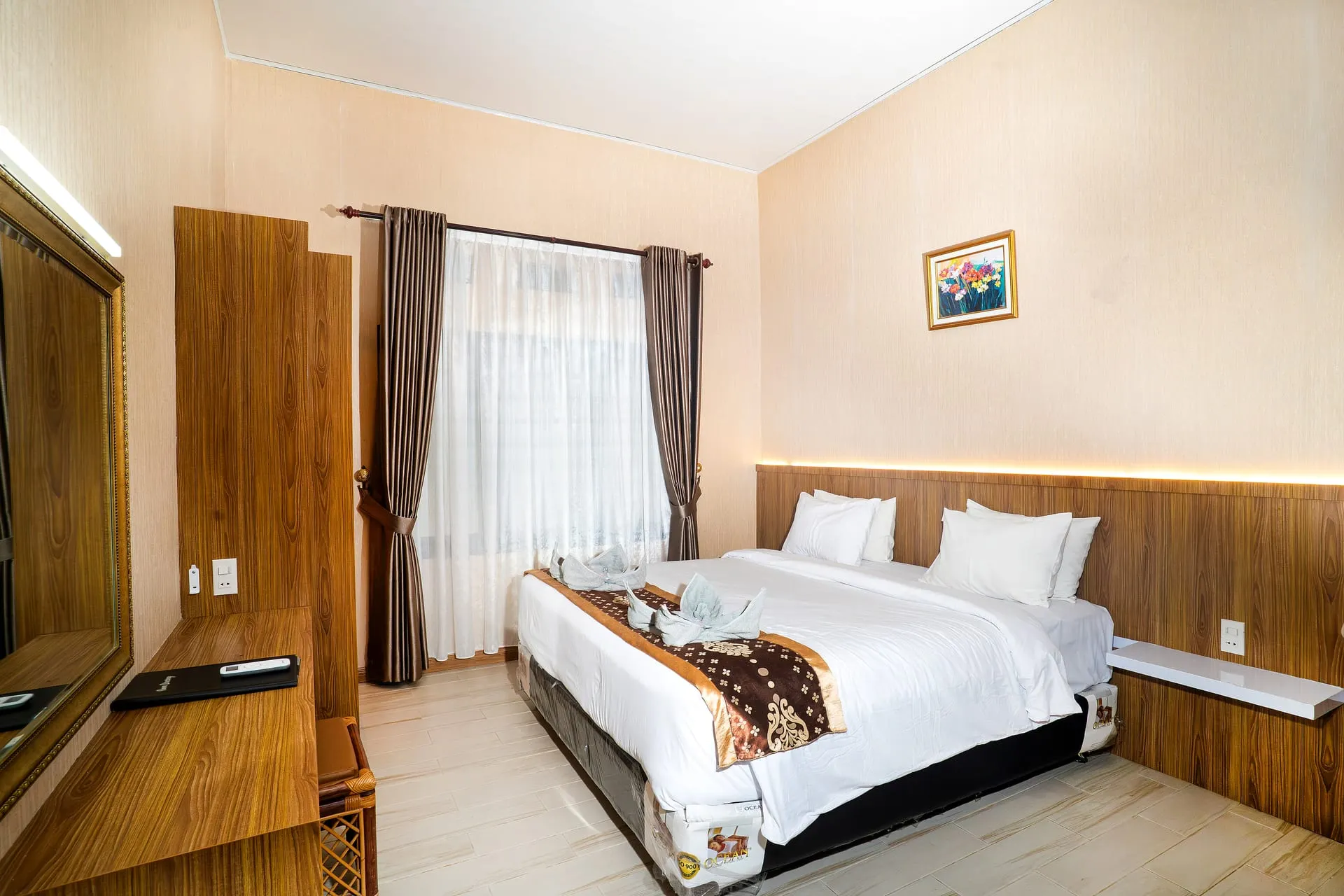
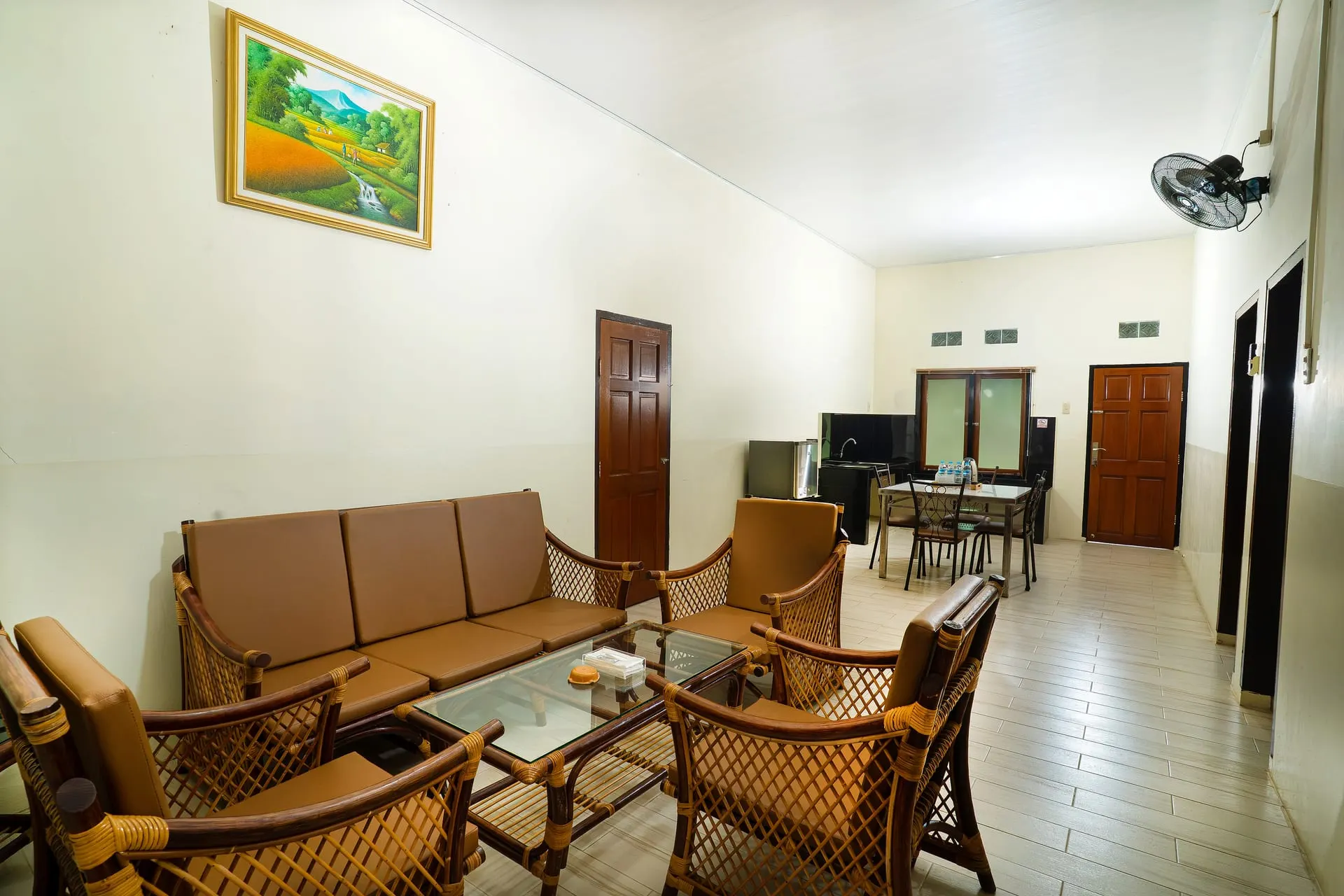
With check-in from 14:00 and check-out by 12:00, two nights fit a full-day trek: arrive on day one, trek on day two, leave on day three. Rindu Alam Hotel has 71 rooms and bathrooms with water heaters for a hot shower after a muddy trek; see room types and availability. To compare places to stay in the village, read our guide to accommodation in Bukit Lawang. Questions about your trek dates? Use the WhatsApp button on this page.
Sources
- detikSumut — A short trek in Gunung Leuser National Park, Bukit Lawang (12 Feb 2023)
- Kompas.com — Trekking in Bukit Lawang, meeting orangutans and monkeys (27 Sep 2022)
- Kompas.com — Gunung Leuser entrance fees under PP 36/2024 (25 Oct 2024)
- Mongabay Indonesia — Visitors feeding wild orangutans in Bukit Lawang (Oct 2015)
- VOA Indonesia — Bukit Lawang ecotourism and Sumatran orangutans (Apr 2023)
- IUCN SSC Primate Specialist Group, Section on Great Apes — COVID-19 guidance