The best time to visit Bukit Lawang is usually January to April or June to July, the months with the fewest rainy days in long-term records from the Kualanamu station near Medan; February is driest. There is no true dry season, and September to December is wettest. Below we compare three sources and explain what rain means for each activity.
This article is part of our Bukit Lawang travel guide.
Quick facts
- Climate: tropical rainforest (Köppen Af), no real dry season; about 2,235 mm of rain and 144 rainy days a year; daytime highs about 31–33 °C, night-time lows about 23–24 °C (Kualanamu station, 1991–2020 normals, via Wikipedia).
- Driest month: February, about 88 mm over 7 rainy days. Wettest: September (about 297 mm) and October (17 rainy days).
- Rainfall pattern: BMKG classes central and northern Sumatra as equatorial, with two rainfall peaks around March and October and usually more than 150 mm a month (Kompas, citing BMKG, Jun 2025).
- Busiest times: weekends and the school holidays from June to early July (Wikivoyage).
Why do sources disagree about the seasons?
Because it rains in every month, "dry season" here only means "less wet". Three sources draw the line differently:
- Rough Guides says the wet season runs October to May and recommends June to September.
- Wikivoyage puts the wet season at October to March, with rain at least daily towards late afternoon and early evening.
- Kualanamu station averages (1991–2020) show the fewest rainy days from January to April and in June–July, and the most from September to December.
All three agree that October and November are reliably wet. The measured data also shows why the guidebooks differ: May and August are wetter than the months either side of them, so a single "dry season" block does not fit well.
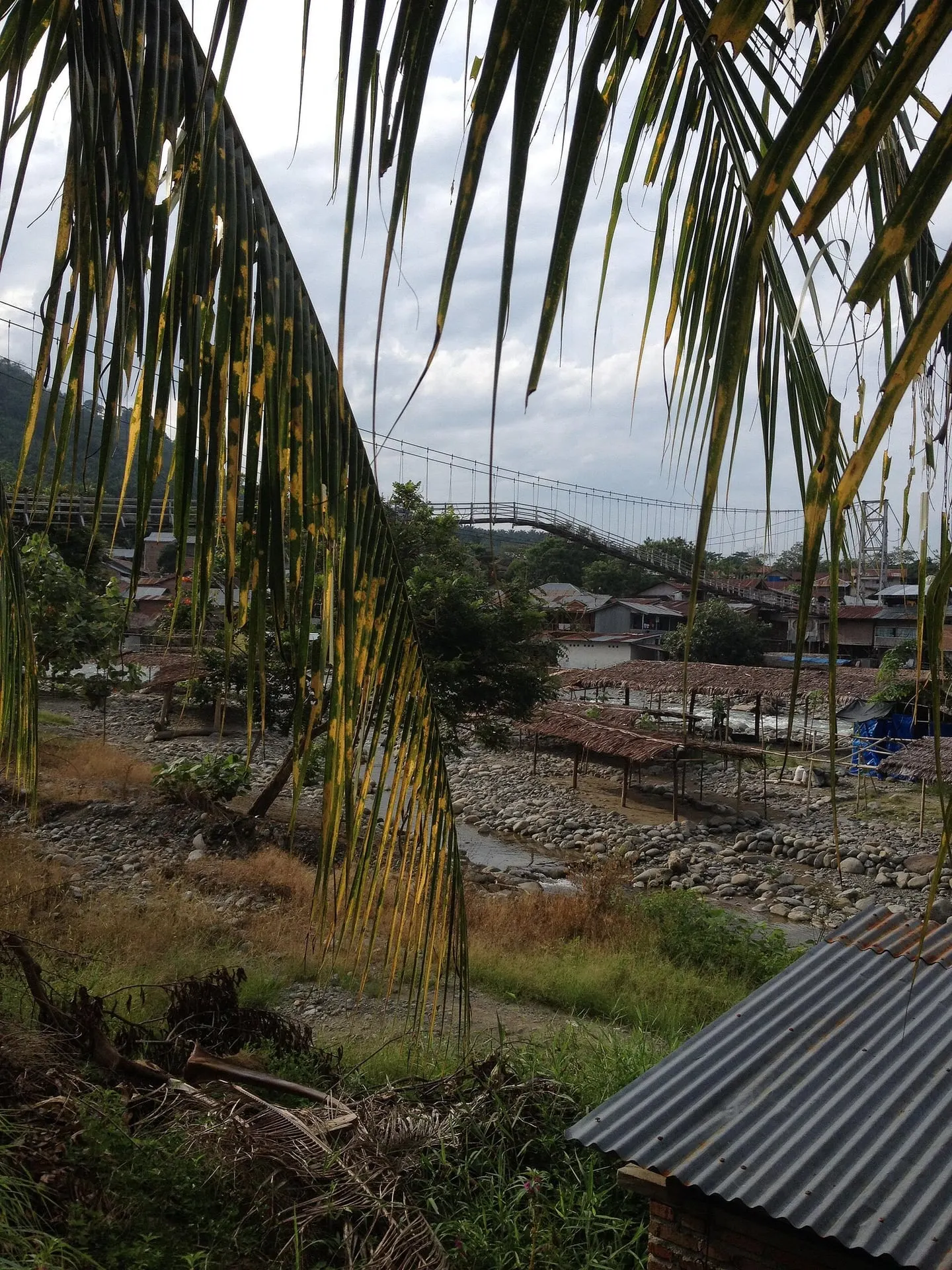
Keep in mind that Kualanamu is on the coastal plain, while Bukit Lawang sits at the foot of the Leuser hills. Rain upstream can raise the Bohorok River even on a dry day in the village, so treat these numbers as a guide, not a forecast.
Bukit Lawang weather month by month
Average rainfall and rainy days at Kualanamu station, 1991–2020 (Wikipedia):
- January: about 132 mm, 11 rainy days.
- February: about 88 mm, 7 days; usually the driest month.
- March: about 130 mm, 9 days.
- April: about 140 mm, 10 days.
- May: about 206 mm, 13 days; a wet spell mid-year.
- June: about 151 mm, 10 days; school holidays begin.
- July: about 146 mm, 10 days.
- August: about 213 mm, 13 days.
- September: about 297 mm, 16 days; the wettest month by rainfall.
- October: about 291 mm, 17 days; the most rainy days.
- November: about 213 mm, 16 days.
- December: about 228 mm, 15 days; year-end holidays.
How does rain change each activity?
- Jungle trekking: trails get slippery and leeches more active; in wetter months a short or full-day trek is often wiser than an overnight one. See our Bukit Lawang jungle trekking guide.
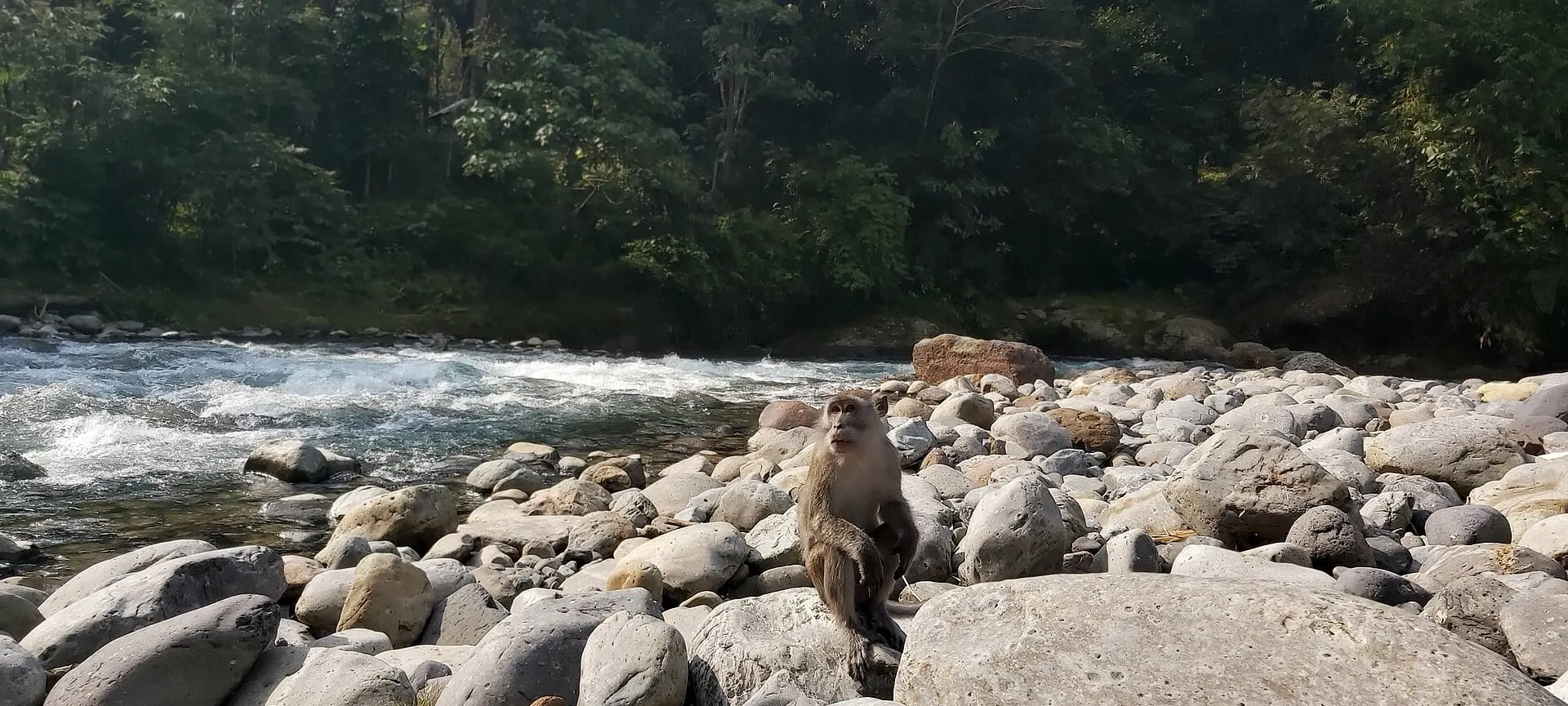
- River tubing: the Bohorok runs fast and brown when it is high. Skip tubing after heavy rain and ask locals about the water level first; read river tubing on the Bohorok.
- The drive from Medan: rain slows traffic and makes roads slippery; leave early so you arrive in daylight. Tips are in getting from Medan to Bukit Lawang.
The 2003 flash flood, described in our travel guide, is a reminder never to ignore warnings about the river.
When is Bukit Lawang busiest?
Bukit Lawang is a few hours from Medan, so weekends and public holidays are busy. Wikivoyage singles out the June–early July school holidays, and Rough Guides suggests arriving on a weekday for a calmer introduction. Long weekends, the days around Eid al-Fitr and the year-end holidays also tend to be busy; check the Indonesian holiday calendar, as dates change every year.
Domestic and foreign visitors both matter here: according to the head of the park authority, Bukit Lawang received 7,419 domestic and 5,466 foreign visitors in 2022 (VOA Indonesia, Apr 2023). Park tickets for Indonesians cost more on Sundays and holidays than on weekdays.
Which month should you choose?
Our advice:
- Driest trails: February, then January, March, April, June and July.
- Quiet trails: weekdays outside June–July and outside long weekends.
- Family holiday in school breaks: June or July, but book early and plan shorter activities.
- Only free in the wet months: go anyway; add a spare day, choose shorter treks and pack good rain gear.
What to pack for the weather
- A light rain jacket or poncho and a dry bag for your phone.
- Quick-drying clothes; cotton stays wet in the humidity.
- Shoes with good grip, spare dry socks, and leech socks from August to December.
- Sunscreen, a hat and plenty of water for hot, clear days.
Before you travel, check the forecast and warnings for Langkat Regency on the BMKG website, and ask your guide or hotel about the river level once you arrive.
Plan a flexible stay
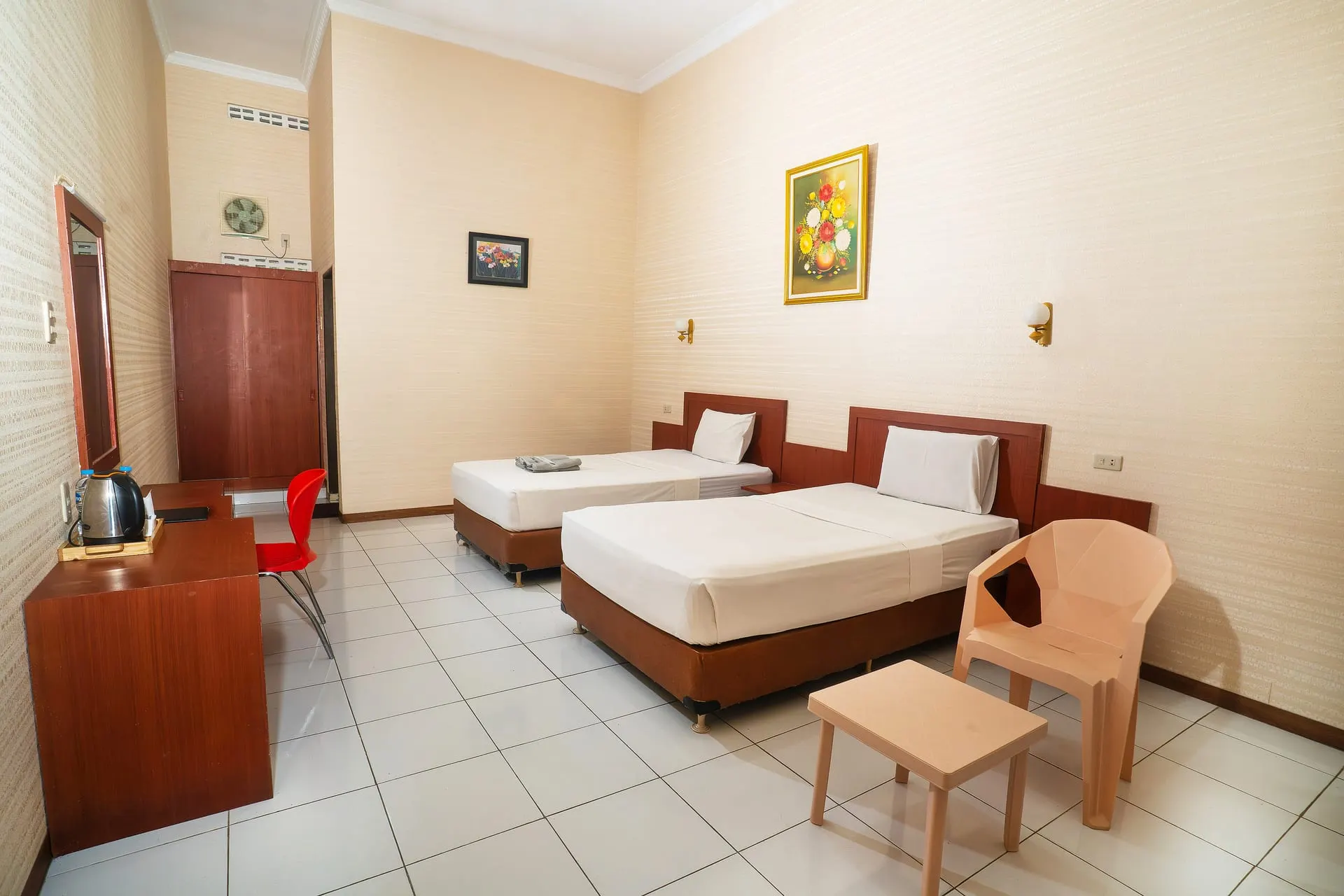
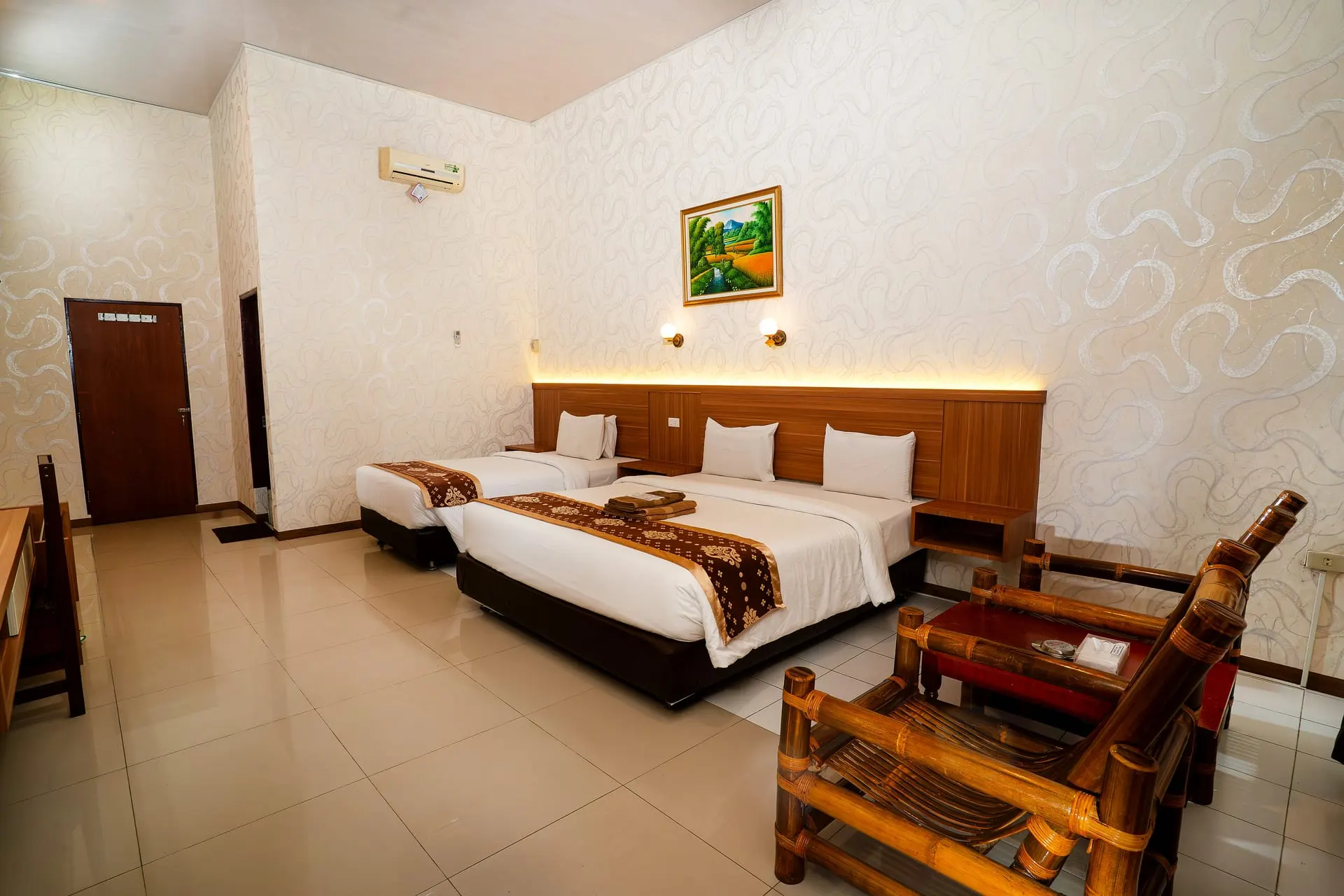
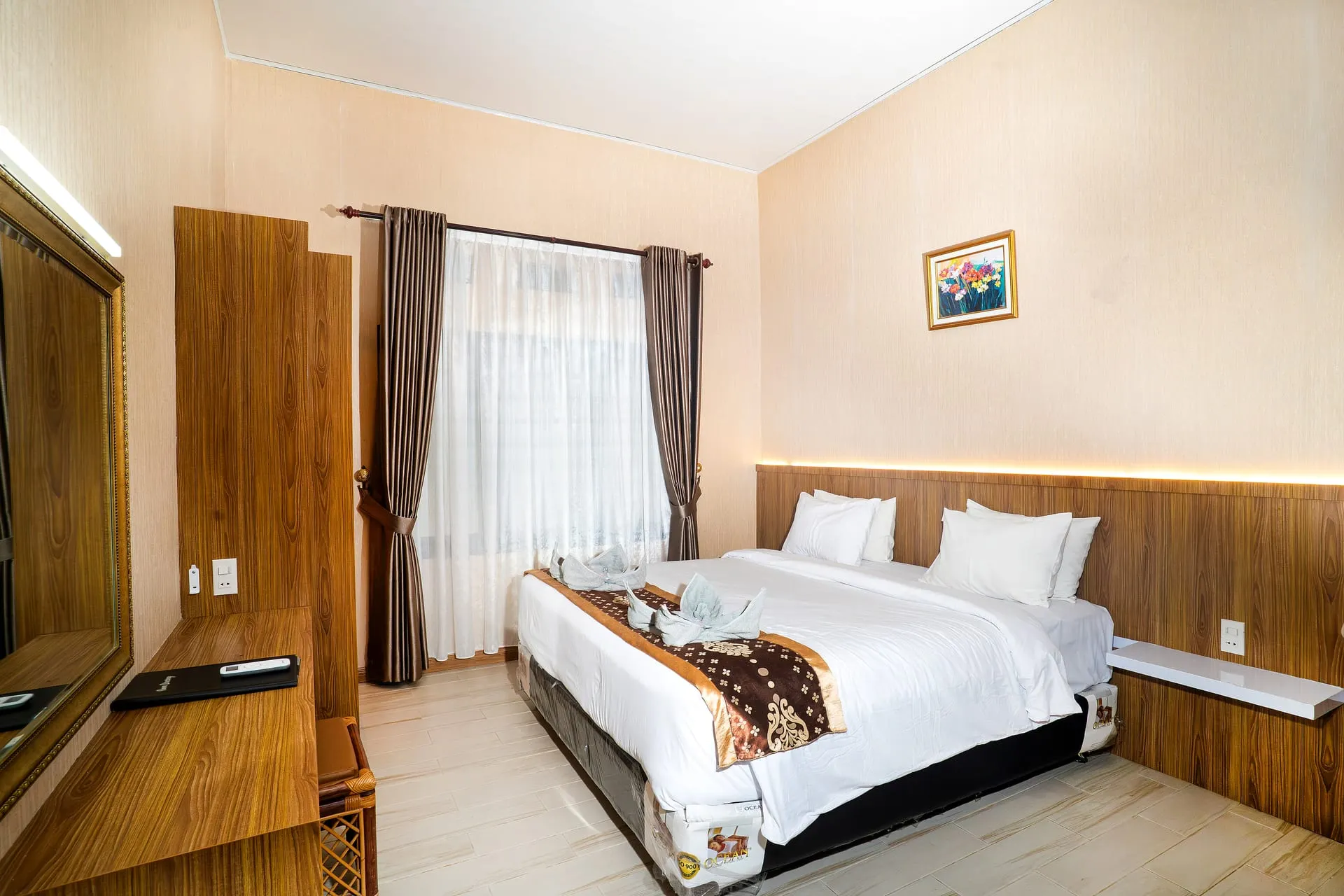
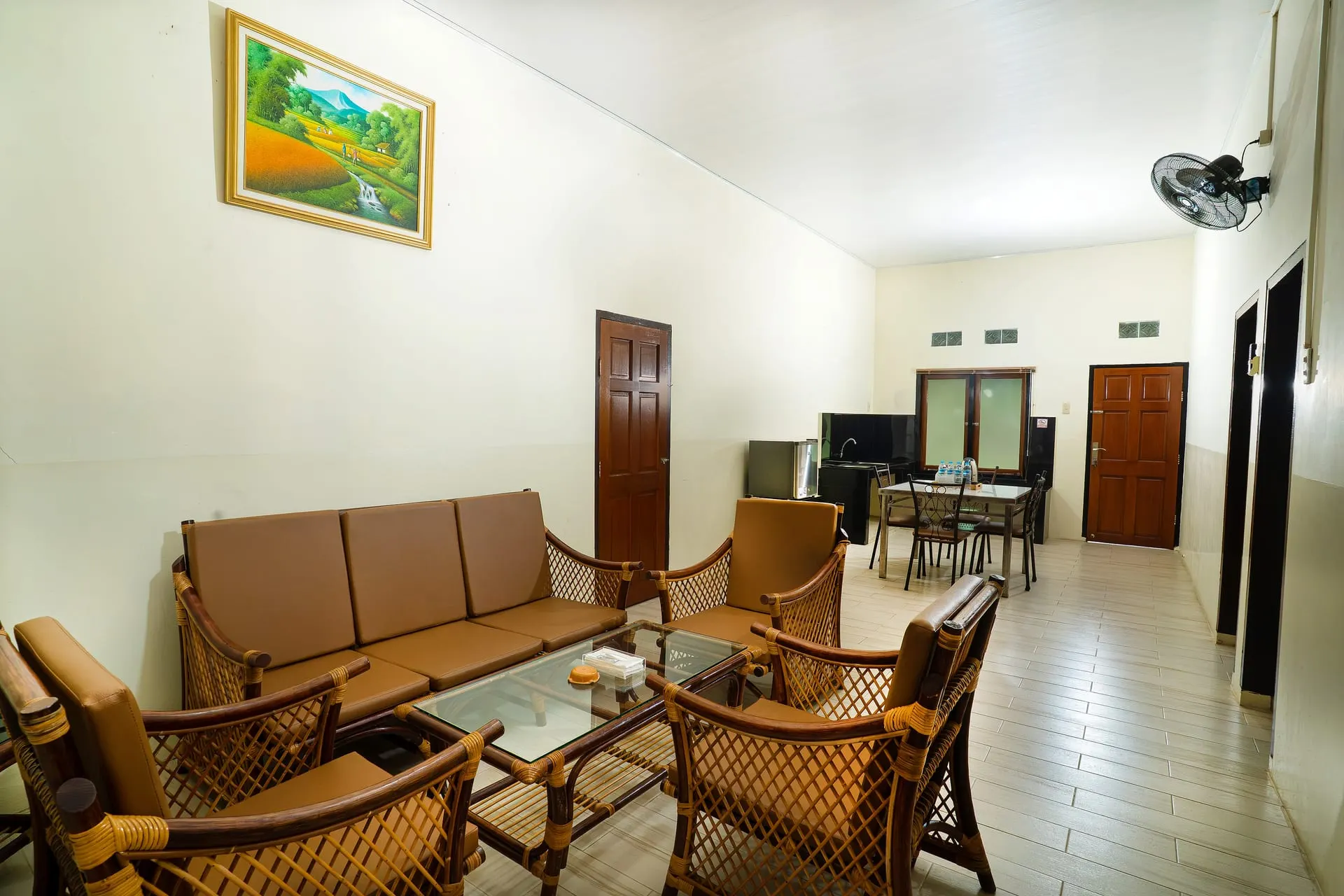
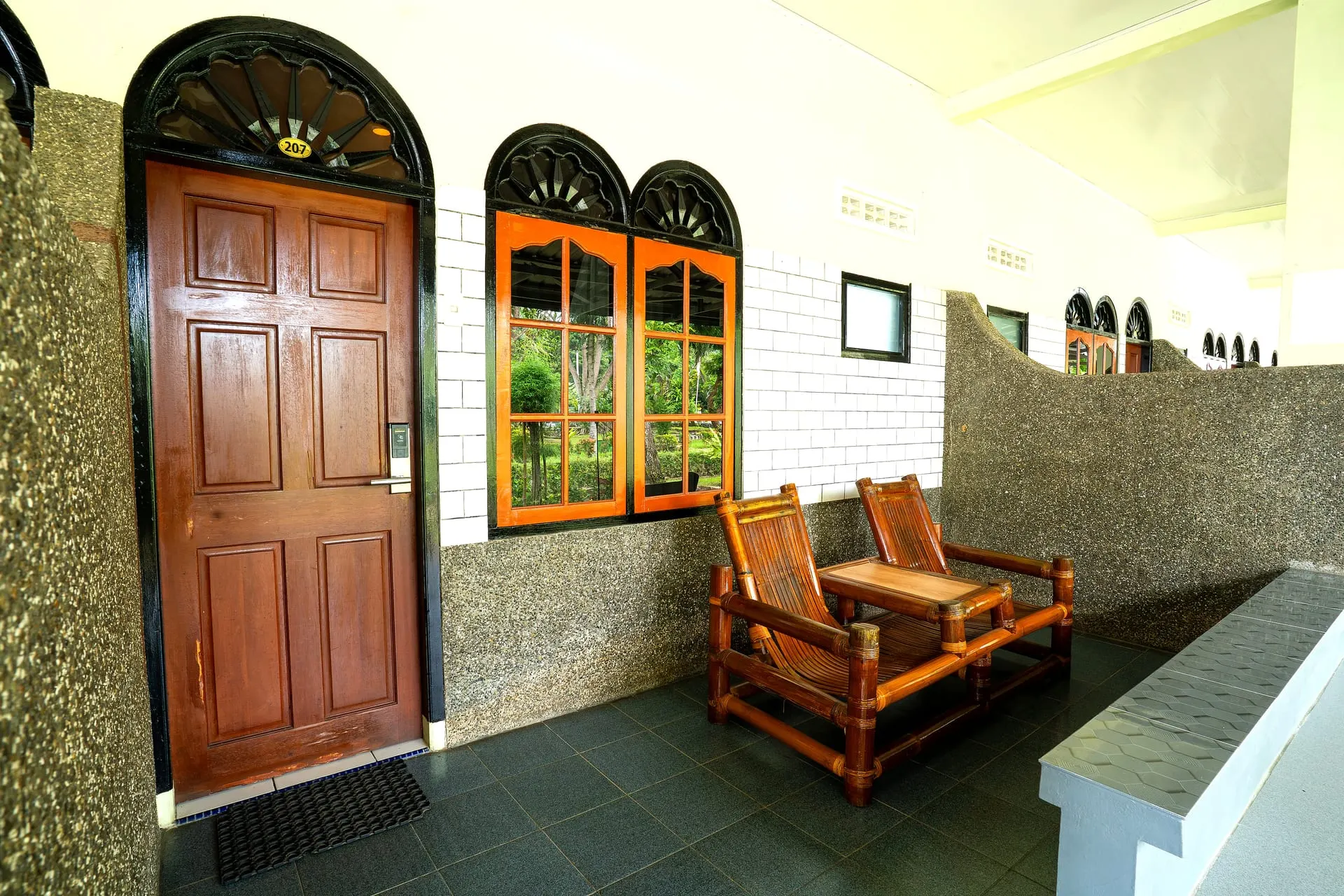
Two or three nights let you move a trek to a drier morning. At Rindu Alam Hotel, room terraces and bathrooms with water heaters make a wet afternoon comfortable. Found your dates? Check room availability, or ask about the season using the WhatsApp button on this page.
Sources
- Wikipedia — Medan (climate table, Kualanamu station 1991–2020)
- Kompas.com — Three rainfall patterns in Indonesia, citing BMKG (15 Jun 2025)
- Rough Guides — Bukit Lawang
- Wikivoyage — Gunung Leuser National Park
- VOA Indonesia — Bukit Lawang ecotourism and Sumatran orangutans (Apr 2023)
- BMKG — Indonesian Agency for Meteorology, Climatology and Geophysics