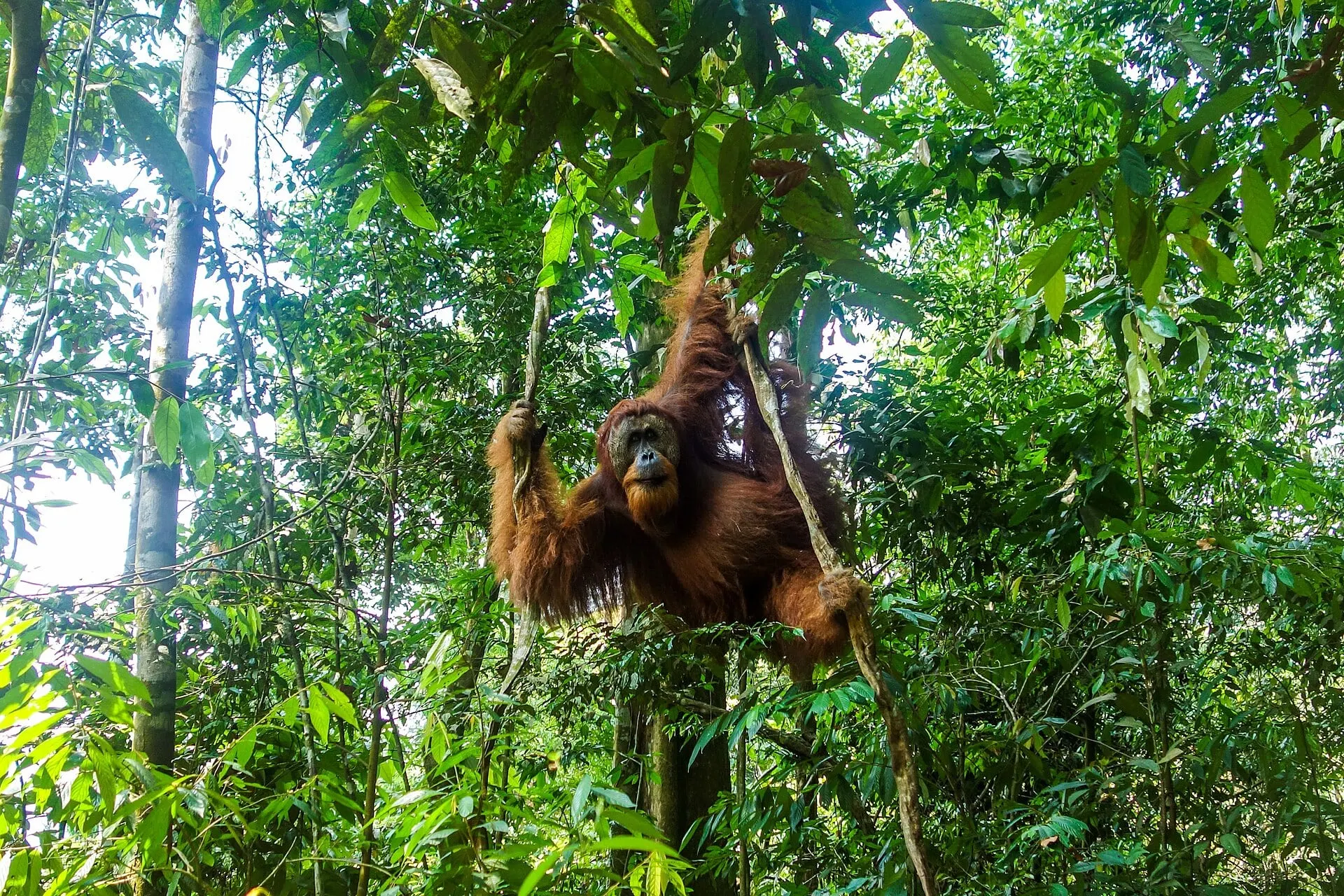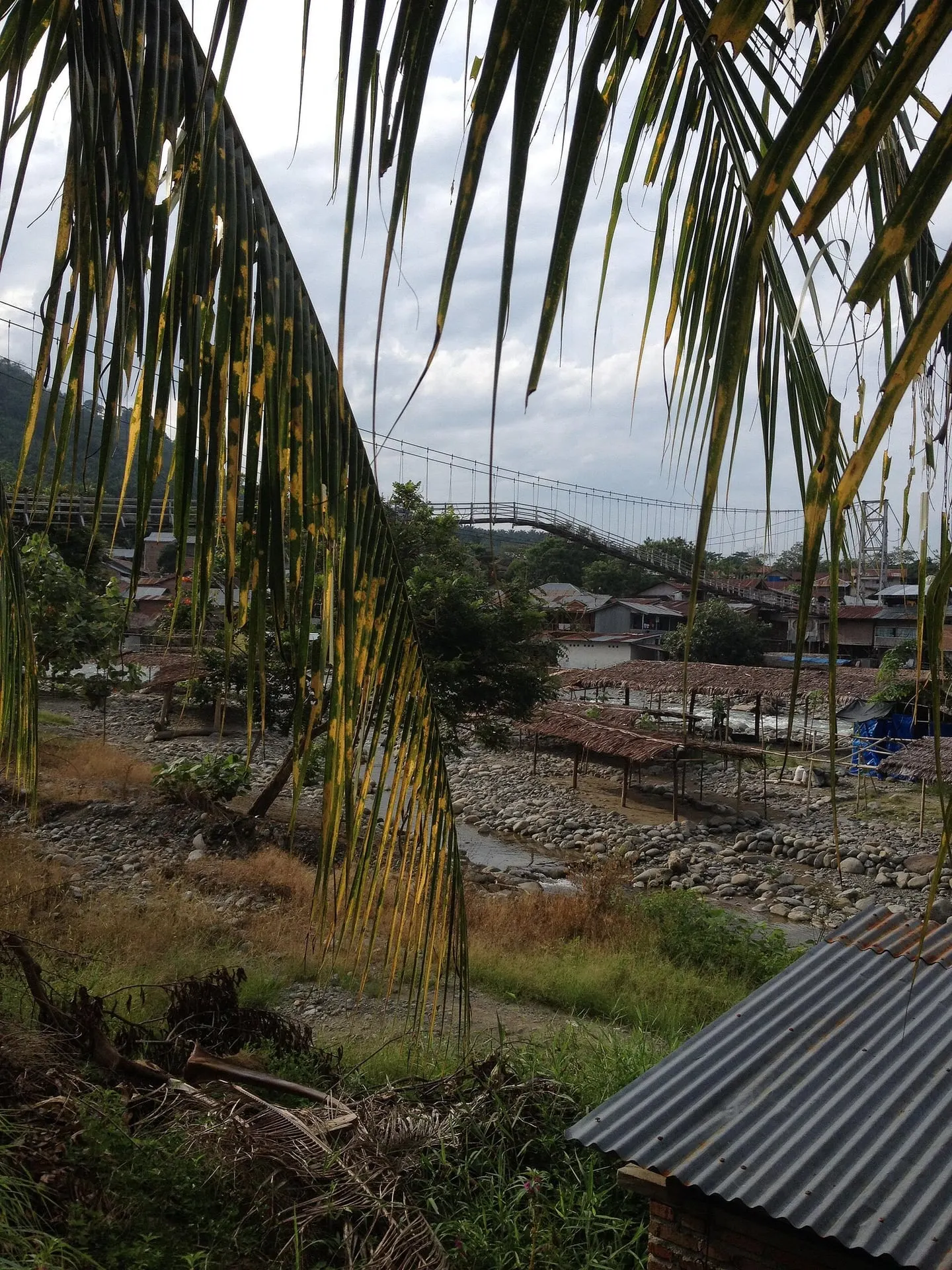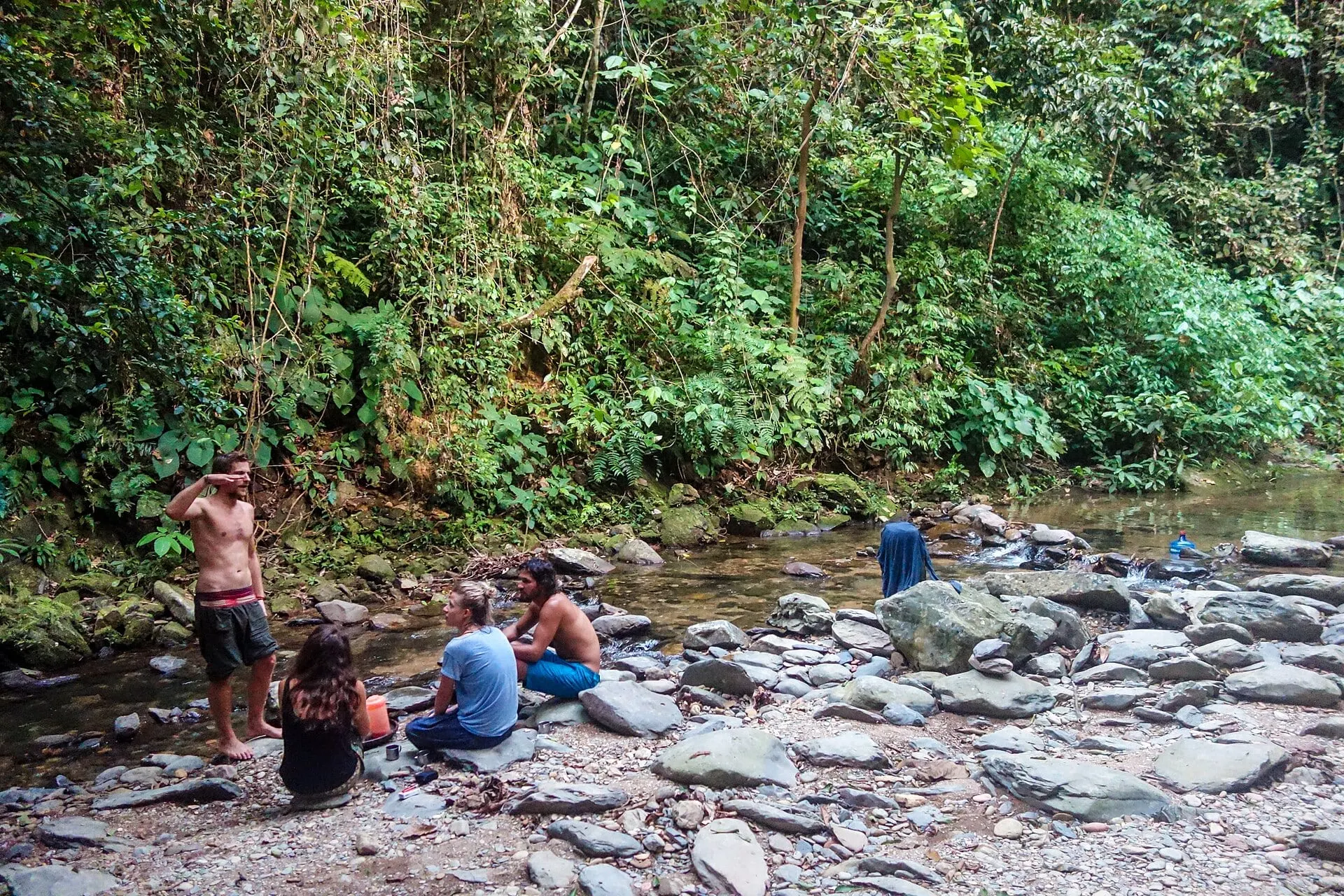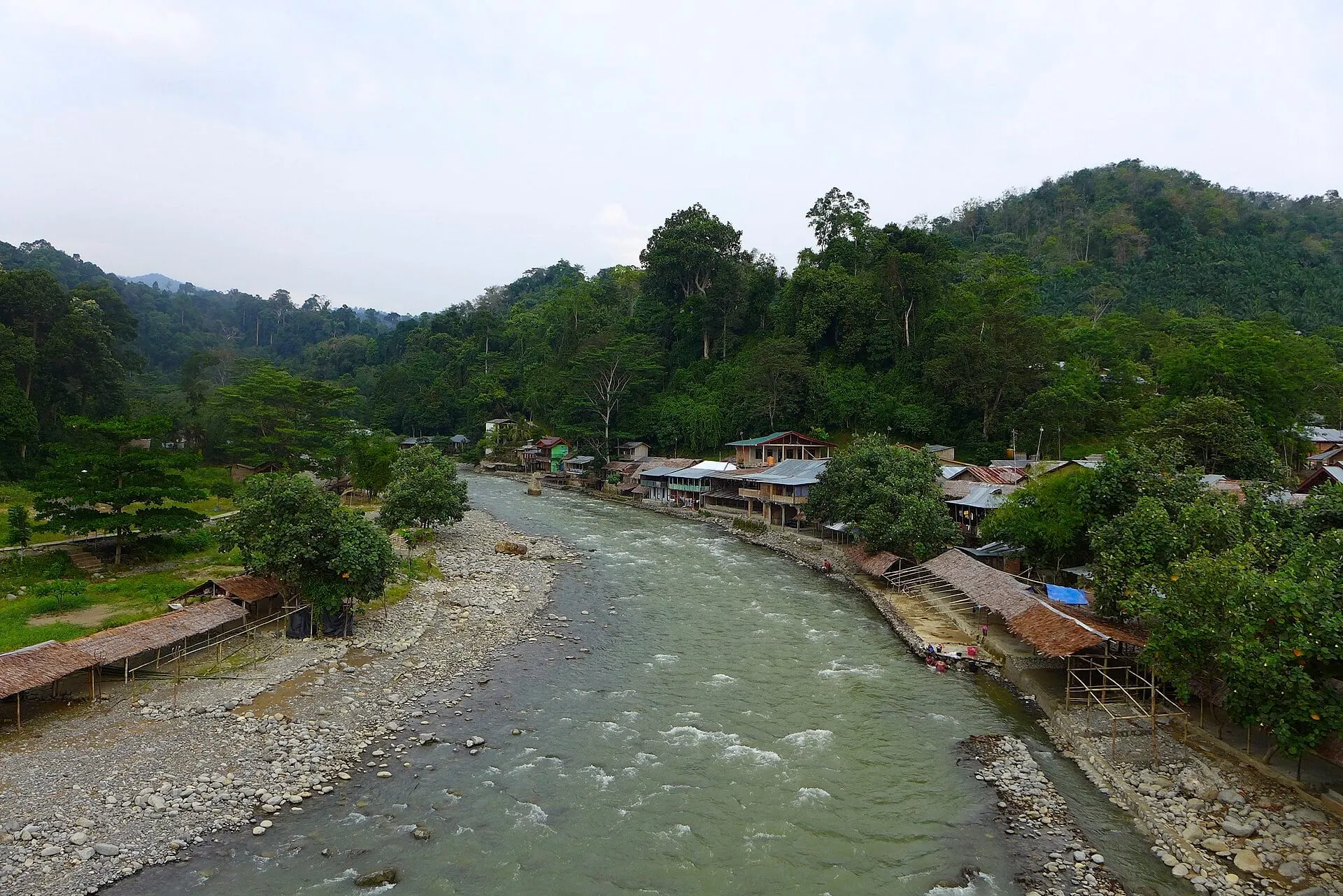
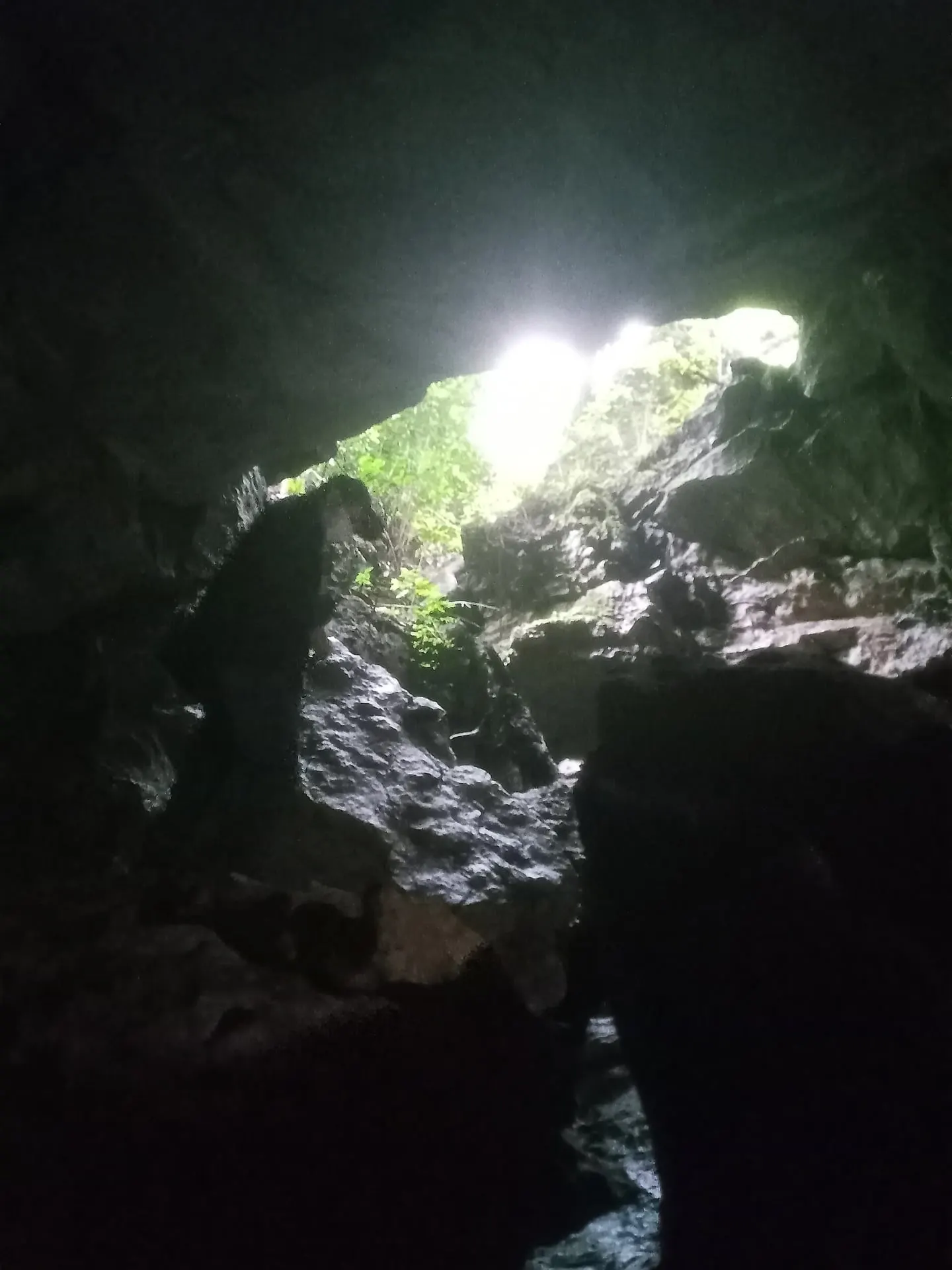
The Bukit Lawang bat cave, known locally as Goa Kelelawar or Gua Kampret, is a short walk from the village: about 15 minutes from the tourist-area entrance according to Kompas, or roughly 3 km from the riverbank in a detikTravel account. Allow half a day, bring a torch, wear grippy shoes and ideally go with a local guide.
Quick facts
- Distance: about a 15-minute walk from the entrance to the Bukit Lawang tourist area (Kompas, August 2020); about 3 km from the Bohorok riverbank through rubber and oil palm plantations (detikTravel, February 2014).
- Inside: a passage of about 1 km (detikTravel), home to thousands of bats, with large stalactites that Kompas says formed over hundreds of years.
- Light: parts of the cave are completely dark; both Kompas and Wikivoyage say to bring a torch.
- Entry: a small fee is paid to a local caretaker near the cave (detikTravel; Wikivoyage). The amounts in those reports are years old, so confirm on the spot. The Perkebunan Bukit Lawang tourism village lists a guided bat cave tour among its packages on the Ministry of Tourism's Jadesta portal.
- Health: the fungus that causes histoplasmosis spreads in bird and bat droppings mixed into soil, and people are infected by breathing in its spores (CDC).
This page is part of our Bukit Lawang travel guide. It covers one outing in detail; the guide gives the wider picture of the village, park tickets and getting here.
How far is the Bat Cave, and why do the sources differ?
The two figures measure from different places. Kompas counts from the entrance to the tourist area, while the detikTravel writer started at the Bohorok riverbank and walked through village rubber and oil palm plantations. In practice, the walk is anything from a quarter of an hour to the better part of an hour depending on where you are staying and how often you stop. According to detikTravel, villagers have put up signposts along the route, and the last stretch is a short climb on steps cut into the slope, with tree roots to hold on to.
The local name is simple: "kampret" is the word for a small bat, and the cave is named after its residents. You will usually hear and smell them before you see them.
What is inside the cave?
Visitors describe the cave in four parts:
- The entrance: cool, damp air and the first stalactites and stalagmites.
- A large, completely dark chamber: no daylight reaches it, so this is where the torch matters. Kompas mentions several large stalactites here.
- The bat chamber: a strong smell of guano and the sound of wings when the colony stirs.
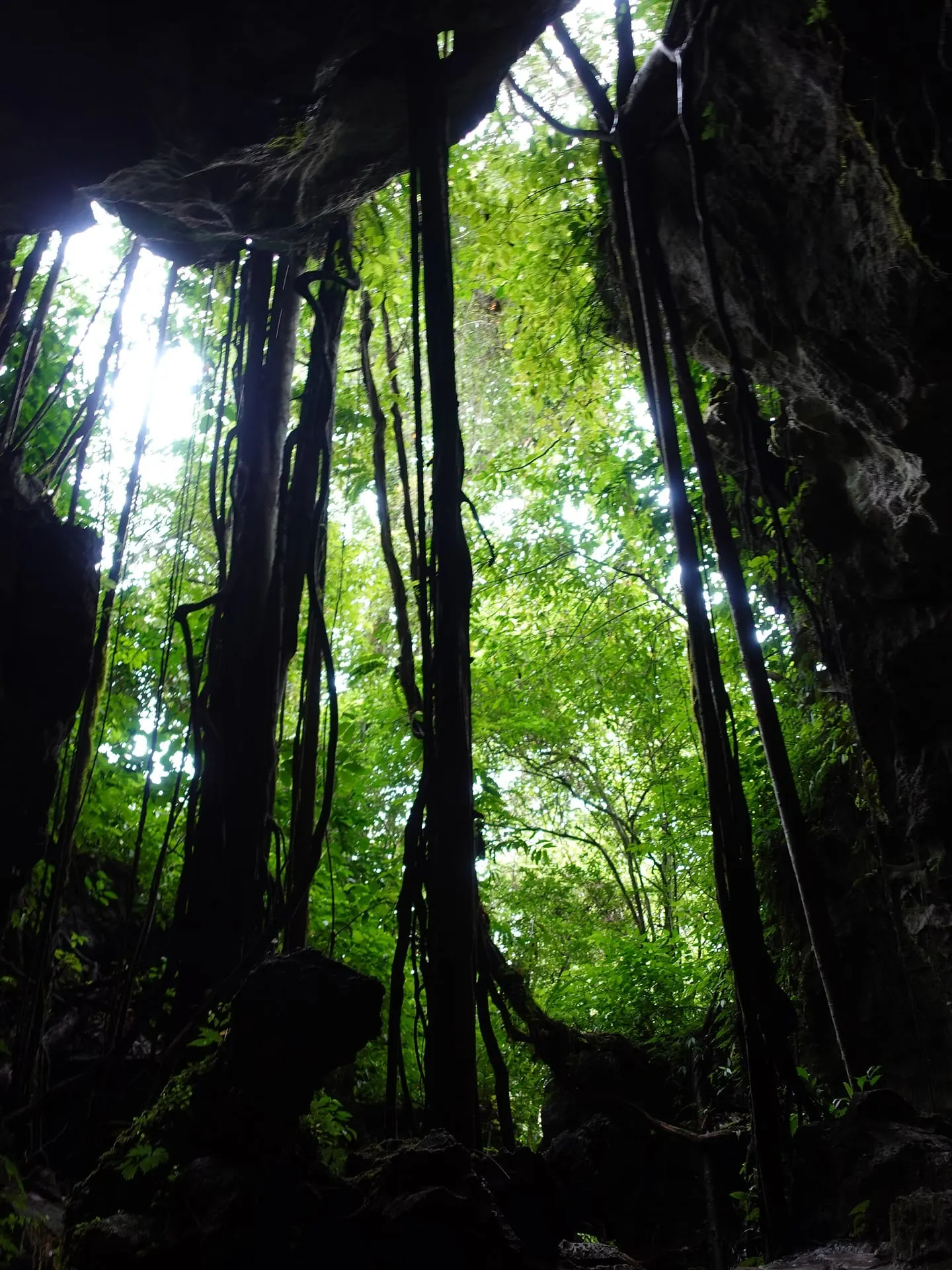
- Light shafts: in places, sunlight falls through gaps in the rock, the scene many visitors come to photograph. The beams show best when the sun is fairly high and the sky is bright, so mid-morning is a good time.
Do you need a guide or a ticket?
Expect to pay the caretaker's entrance fee; bring small notes. A guide is not strictly required to find the cave, since the path is signposted, but our advice is to take one for the inside. A guide knows which passages are passable, when the rocks are too wet, and how to move through the bat chamber without disturbing the colony. Agree on the price and what it includes before you leave.
What should you wear and bring?
- Shoes or trekking sandals with good grip. The detikTravel writer warns that the rocks are very slippery and the floor muddy.
- A headlamp or torch with spare batteries. A phone light works in a pinch, but a headlamp keeps both hands free.
- Clothes you do not mind getting dirty, ideally quick-drying.
- Water, but no food. The caretaker asks visitors not to bring food into the cave or leave rubbish (detikTravel).
- A dry bag for your phone, and soap or hand sanitiser for afterwards.
Is the Bat Cave safe?
The main risks are slipping, the dark, and the droppings. Keep three points of contact on wet rocks, stay on the main route and do not squeeze into side passages. Never touch bats, living or dead, and avoid touching guano; wash your hands when you come out. Because the CDC notes that histoplasmosis can develop into a long-term lung infection in people with weakened immune systems, anyone in that situation should ask a doctor before visiting a cave with many bats.
Rain changes the visit too. After heavy rain the plantation paths turn to mud, the steps to the entrance get slippery and water may drip or flow inside. If it has poured overnight, ask your guide whether the route is sensible that day, or swap it for something low-key.
How does it fit into your stay?
Because the cave is close to the village, it fits into a morning. A sample plan, to adjust with your guide:
- 08:00 breakfast and meet your guide
- 08:30 walk through the village and plantations
- 09:30 explore the cave with torches
- 11:00 walk back, clean your shoes and wash your hands
- 12:00 lunch and a rest
It works well as a lighter day after a jungle trek to look for orangutans. If the river is at its normal level, the afternoon is free for tubing on the Bohorok River to rinse off the mud.
Where to stay
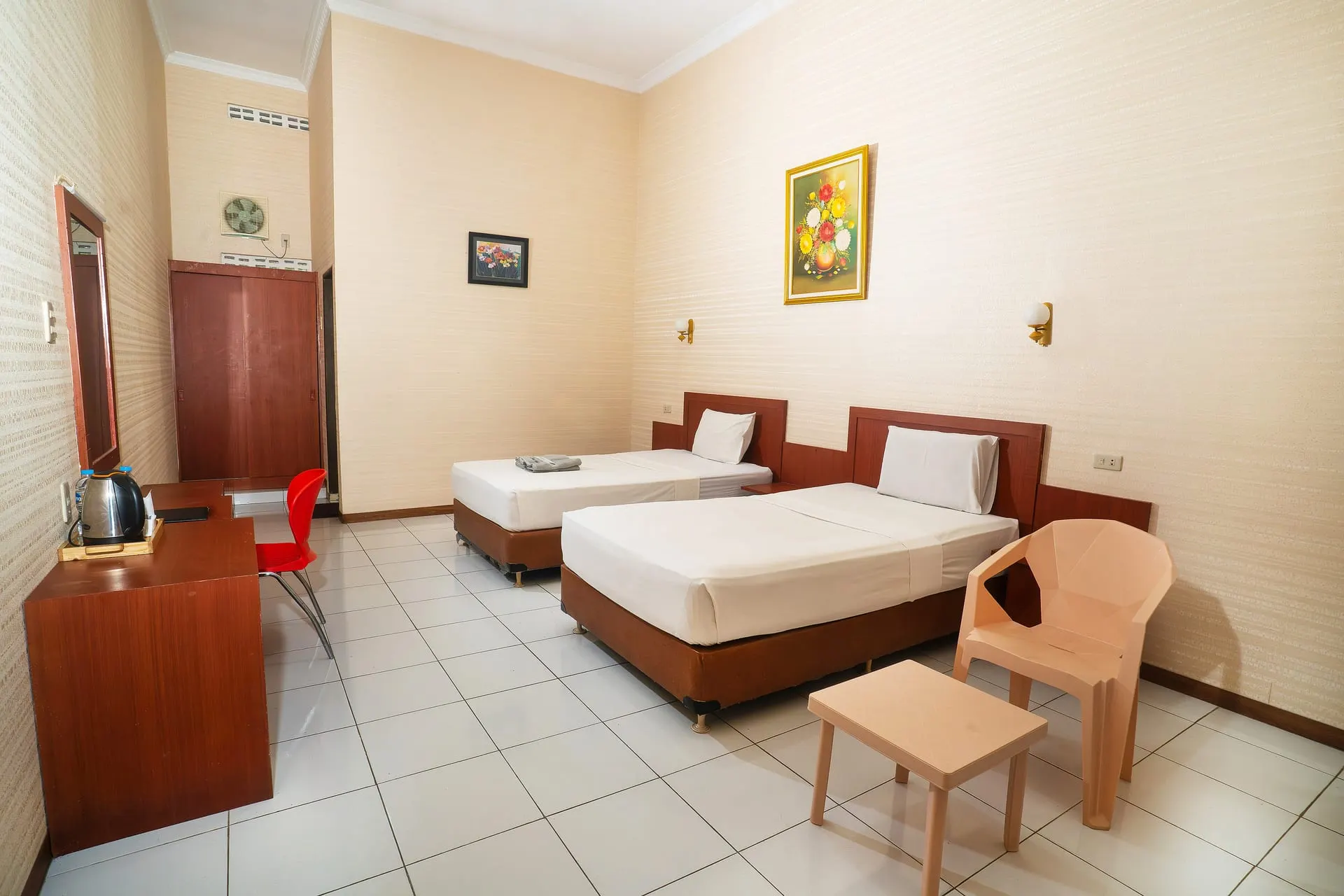
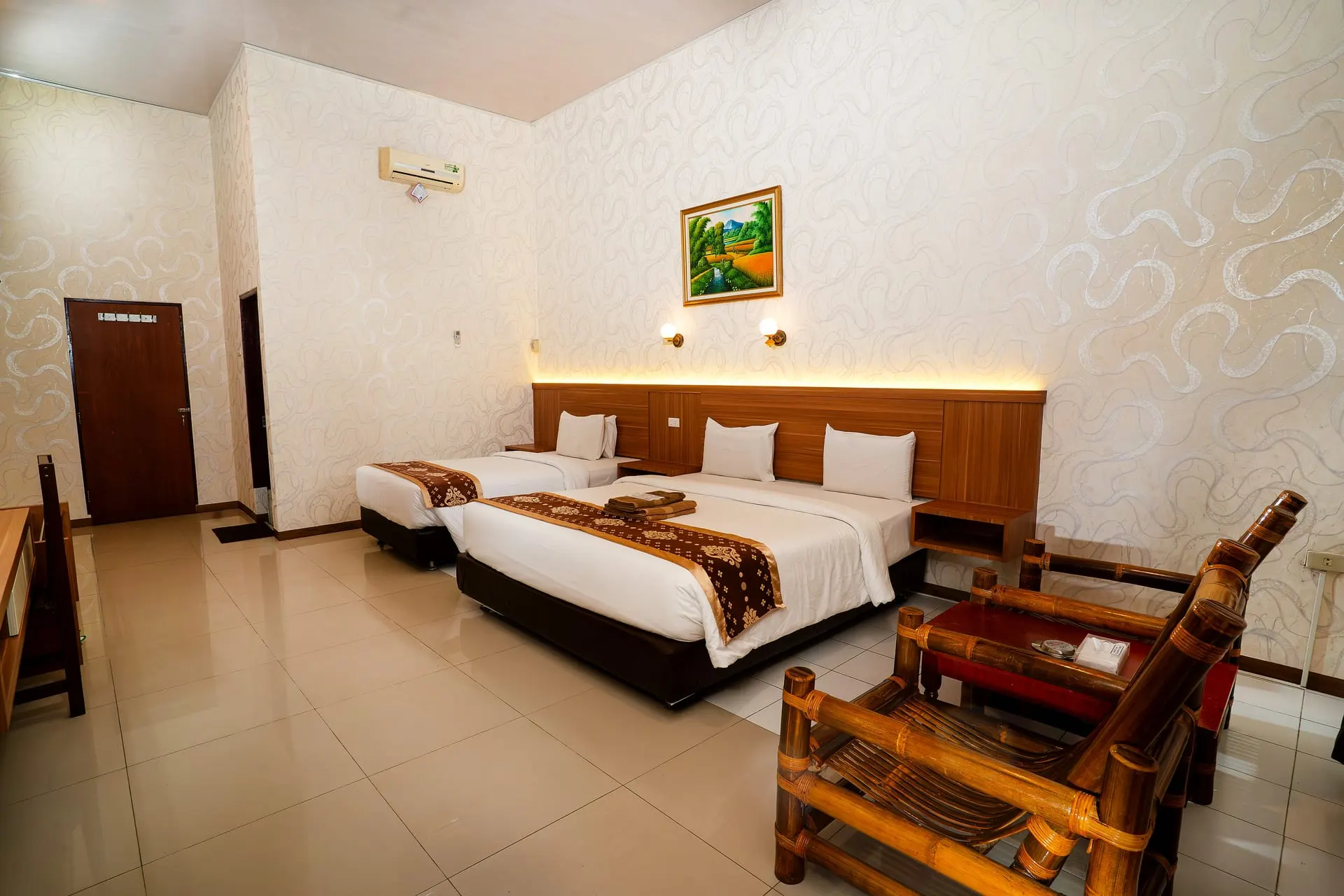
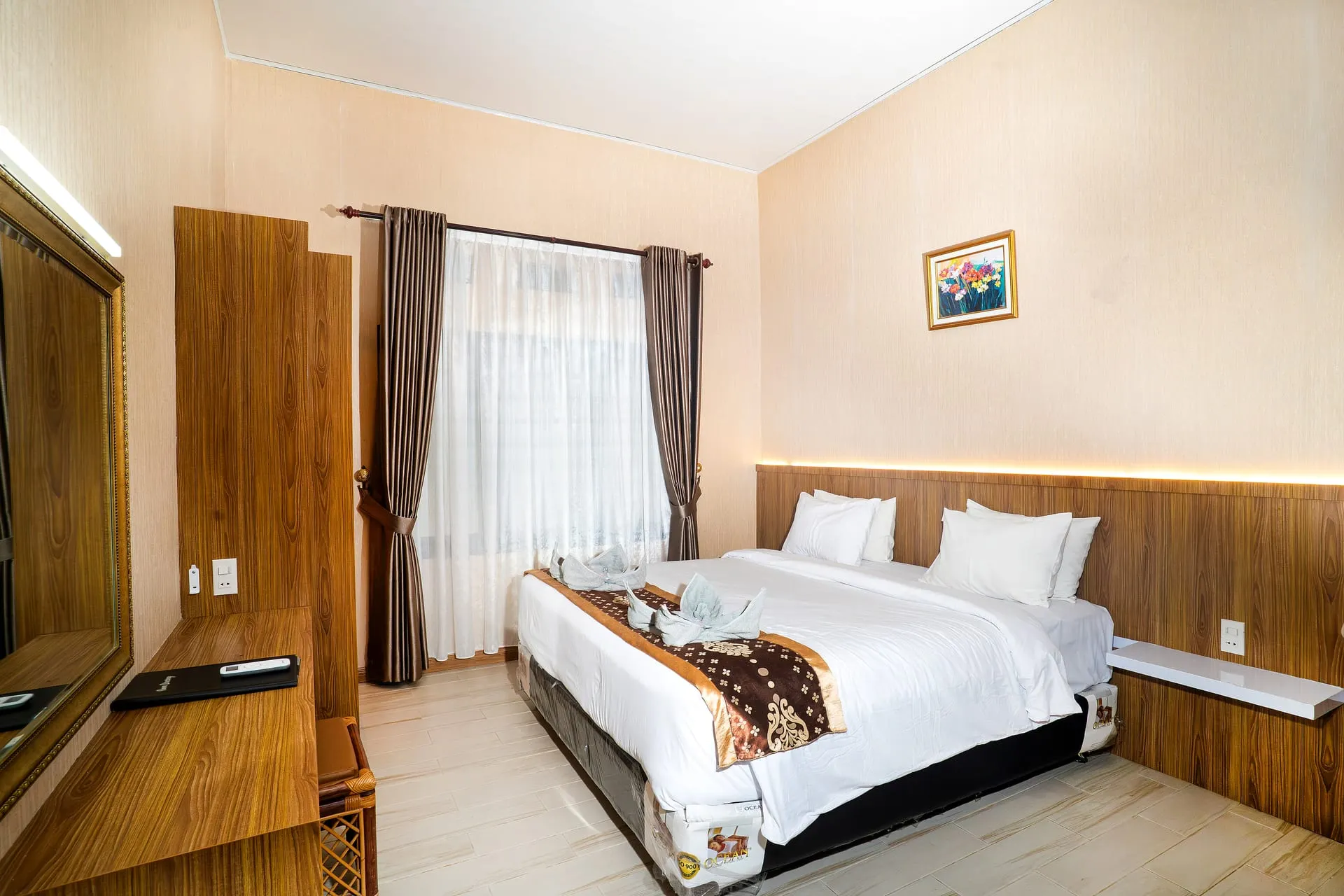
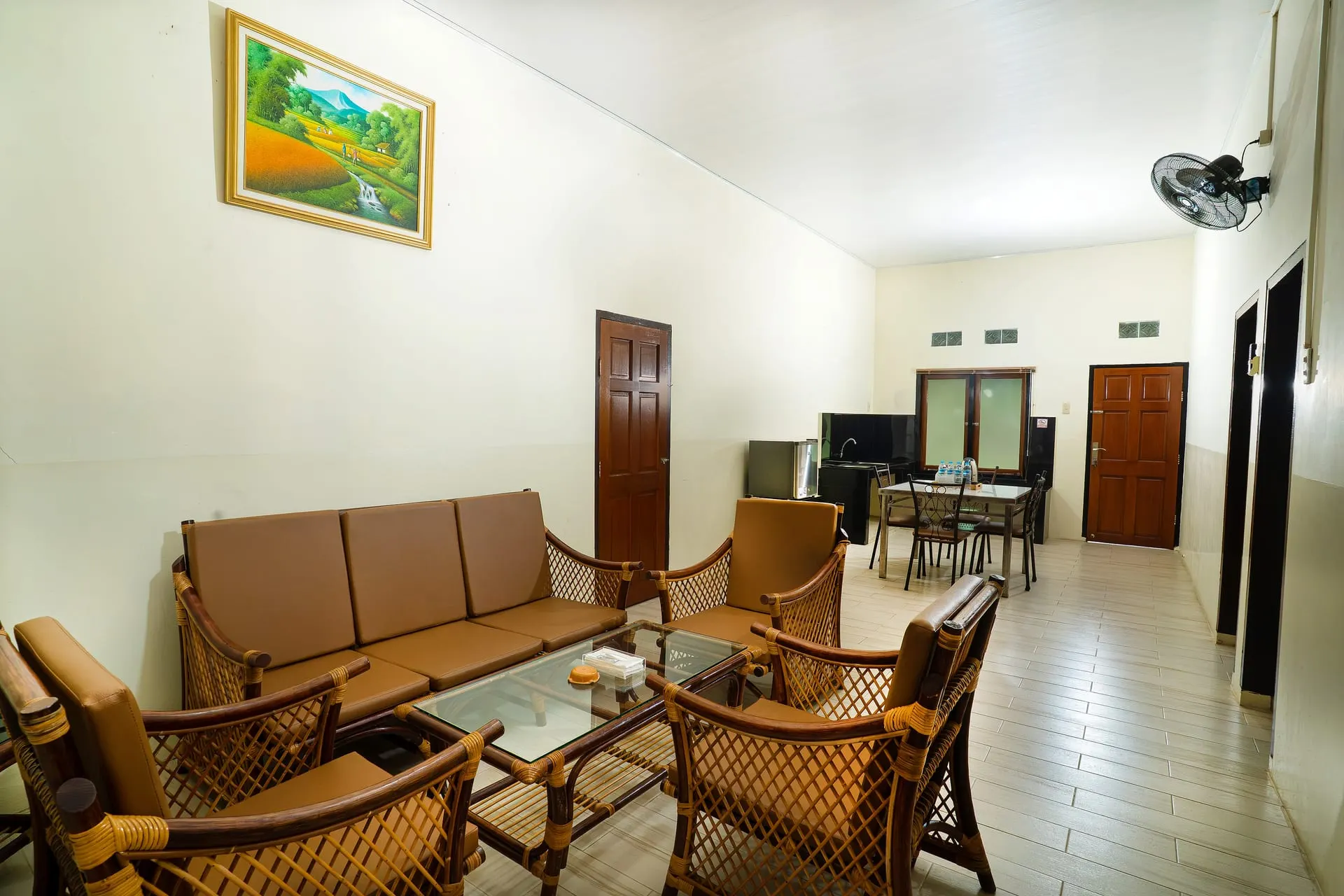
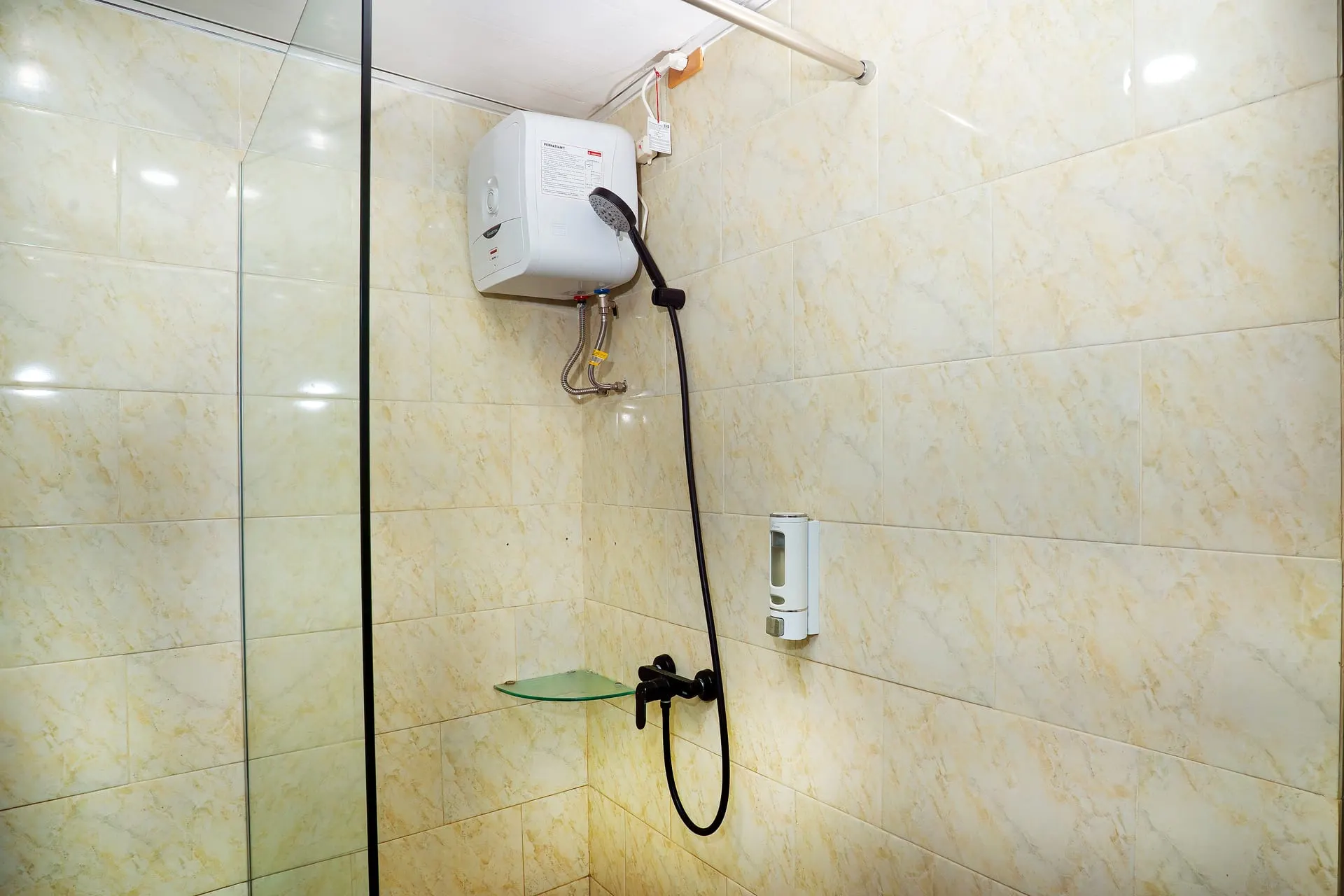
After a muddy morning, a hot shower makes all the difference. Rindu Alam Hotel's bathrooms have water heaters, and there are terraces with bamboo chairs outside the rooms to rest on afterwards. The hotel has 71 rooms in four types for couples, families and groups; as of September 2026, rates start at IDR 500,000 per night for a Standard Room (room only). See availability on our rooms page, or tap the WhatsApp button on this page to ask our team.